
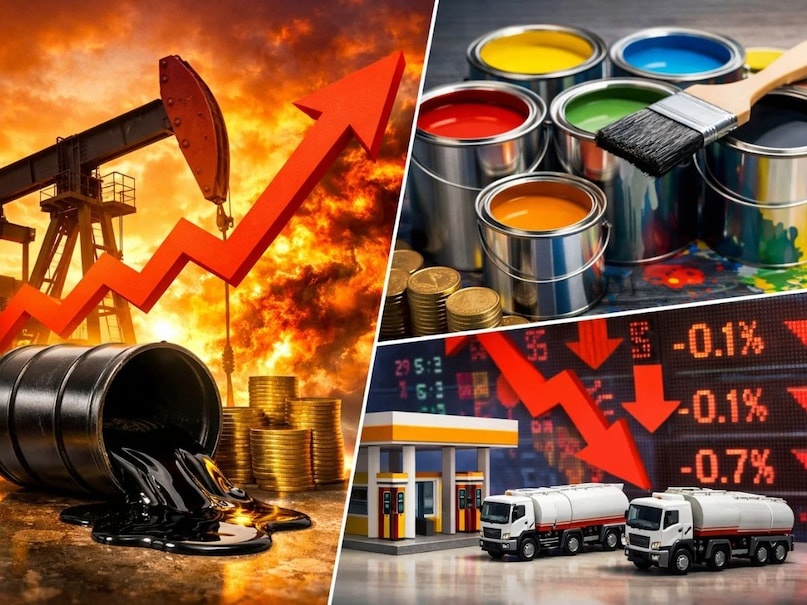
Do you know how tensions in the Gulf countries directly impact your kitchen and pocket? During the war between the United States and Iran, not only petrol and diesel but everything from milk and vegetables to air tickets became more expensive in India. But now that the war is about to end, what will become cheaper? Here’s a list of those things.
Add rightsofemployees.com as a Preferred Source




1. Cooking gas and commercial cylinders (LPG): India imports approximately 60% of its LPG needs from Gulf countries. During the war, prices of propane and butane (the main components of LPG) in the international market exceeded $800 per metric ton. With the easing of tensions, these prices could fall to the $550-$600 range, leading to a reduction of 70 to 100 rupees in the price of domestic LPG cylinders. However, the government already provides subsidies on cylinders, so it remains to be seen whether the government will pass this subsidy on to the general public.
2. Exotic Fruits and Dried Fruits (Dates and Figs): India imports approximately 90,000 to 100,000 metric tons of dates annually from Iran and the Gulf countries. Due to the maritime blockade, prices of Kimiya and Mazloom dates in Indian wholesale markets have risen by 35 to 40 percent. As soon as the routes reopen and supplies return to normal, wholesale and retail prices are expected to decline by 25 to 30 percent.
3. CNG and PNG: India imports approximately 50 percent of its total natural gas needs (in the form of LNG) from countries like Qatar and the UAE. Due to war fears, spot LNG prices had reached $15-18 per mmBtu (Million British Thermal Units). Now, global gas prices are expected to fall to $9-10 per mmBtu, which could reduce domestic CNG and PNG prices by $4 to $6 per kg/Scm.
4. Chemical Fertilizers: India imports approximately 7 million to 8 million tons of urea and phosphatic fertilizers annually, with Oman and Saudi Arabia accounting for the largest share. The disruption of the supply chain has led to a jump in import costs of $50 to $70 per ton. The opening of the Hormuz Route will reduce input costs for fertilizer companies by 12 to 15 percent, reducing the government’s subsidy burden and alleviating the shortage of fertilizers in the open market.
6. Air Tickets: Aviation Turbine Fuel (ATF) alone accounts for 40% of an airline’s total operating expenses. With crude oil prices surpassing $125, ATF prices were at record levels. Following the decline in crude oil prices, ATF prices are expected to be cut by 10% to 12%, which could lead airlines to reduce airfares by 8% to 10%.
8. Industrial Sulfur: India is a major importer of sulfur, vital for the rubber and chemical industries. Domestic sulfur prices in India have jumped by 18% to 22% due to supply disruptions from Gulf countries. Industrial sulfur prices could fall by up to 15% as refinery production returns to normal and shipments resume.
9. Paints & Coatings: Petrochemical derivatives account for approximately 50% of the raw materials (such as resins and solvents) used in paint production. The fall in crude oil and gas prices will reduce paint companies’ overall manufacturing costs by 6 to 8 percent, which they will then pass on to consumers in the form of price reductions or discounts.
10. Online delivery and logistics services: India’s logistics index is directly linked to fuel and operating costs. As the global energy crisis subsides, the freight index is expected to decline by 7 to 10 percent. This will directly impact e-commerce and food delivery companies, potentially leading to a 5 to 8 percent reduction in delivery charges and courier fees.
Add rightsofemployees.com as a Preferred Source