
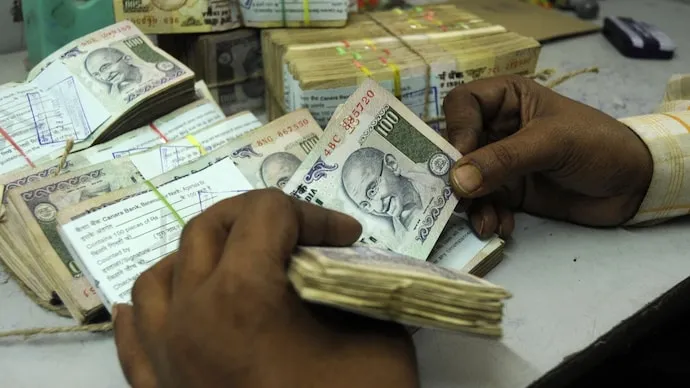
With the Income Tax Department leaning heavily on advanced data analytics, your banks and brokers automatically report large investments. Here is how to keep your portfolio compliant.
The Income Tax Department has significantly scaled up its deployment of advanced machine learning algorithms and integrated network analytics to monitor systemic cash flows and curb tax evasion. Under this tech-driven framework, mainstream banks, equity brokers, and credit card issuers are legally mandated to flag high-value operations through the Statement of Financial Transactions (SFT).
Add rightsofemployees.com as a Preferred Source




While filing your annual Income Tax Return (ITR) is standard practice, making substantial investments that do not align with your declared income brackets will automatically flag your profile, triggering an official tax notice.
                      [SFT Automated Tracking Network]
                                     │
         ┌───────────────────────────┼───────────────────────────┐
         ▼                           ▼                           ▼
  [Banking Systems]          [Brokerage Houses]          [Credit Card Issuers]
  • Cash Operations          • Mutual Fund Inflows       • Aggregated Settlement
  • Fixed Deposit Caps       • Equity / Bond Blocks      • High-End Spending
         │                           │                           │
         └───────────────────────────┬───────────────────────────┘
                                     ▼
                     [Income Tax Verification Engine]
               (Cross-checks Data Against Filed ITR Profiles)
The 5 Crucial Transaction Triggers Under Scanner
To ensure your financial moves remain fully compliant, it is important to understand the exact reporting thresholds established across key financial channels:
1. Large Cash Deposits in Savings Accounts
Depositing cash sums totaling ₹10 lakh or more into a singular savings account over the course of a single financial year triggers an automatic report to the tax authorities. If these bulk cash entries cannot be traced back to legitimate business withdrawals or tax-paid streams, the tax department will prompt an immediate source verification.
2. High-Value Fixed Deposits (FDs)
Similar to liquid savings entries, single or multiple fixed deposits that cumulatively cross the ₹10 lakh ceiling within a fiscal year are pushed to the central tax grid. Taxpayers must ensure that the principal capital utilized to generate these fixed deposits matches their recorded earnings file.
3. Elevated Credit Card Settlements
Credit cards are highly convenient, but paying off bills that exceed specific statutory limits draws scrutiny. Specifically, settling card bills utilizing more than ₹1 lakh in hard cash, or clearing an aggregated annual credit bill of ₹10 lakh or more via digital avenues, prompts immediate cross-matching against your regular ITR filings.
Recent Posts
- ITR-2 Capital Gains Filing: Comprehensive Walkthrough for Shares, Property & Mutual Funds
- IMD Weather Warning: 21 States on 24-Hour Alert for Heavy Rain, Thunderstorms, and 80kmph Winds
- Noida International Airport Flight Operations Begin: Yamuna Expressway Plots Surge 500%
- NEET Paper Leak: Jail Inmate Yash Yadav Seeks Interim Bail to Take Sunday’s Retest
- Telangana High Court Rules EPFO Cannot Recover Provident Fund Dues From Retired Employees
[Real Estate Registrars]   ──► Reports Asset Sales/Purchases Touching ₹30 Lakh+
                                         │
                                         ▼
[Tax Department Strategy]  ──► Mandates Verifiable Funding Records for All Parties
4. Significant Real Estate Deals
High-value property transactions involving apartments, plots, or commercial buildings are recorded directly across state registration databases. If a property transaction touches or exceeds ₹30 lakh, the sub-registrar files the transaction data with the tax department. Buyers must maintain clean funding trails, while sellers must account for applicable capital gains.
5. Deep Capital Market Reinvestments
Placing large investment blocks into mutual funds, listed stocks, corporate bonds, or debentures does not go unnoticed. Asset Management Companies (AMCs) and stockbroking platforms are required to report individuals whose cumulative investments exceed ₹10 lakh in a financial year.
Emerging Regulatory Additions: Crypto & CBDCs
Beyond traditional banking setups, revised draft rules have further tightened the tax department’s reporting net. Digital asset exchanges are now mandated to report cryptocurrency transactions directly, formalizing surveillance over alternative assets. Additionally, Central Bank Digital Currency (CBDC) is recognized as a valid electronic payment method, integrating seamlessly into automated audit trails to eliminate untraceable loops.
                  [Clean Documentation Workflow]
                                │
    ┌───────────────────────────┴───────────────────────────┐
    ▼                                                       ▼
[Asset Inflow Validation]                               [ITR Sync Check]
• Maintain direct bank logs.                            • Reconcile broker files.
• Archive property sale deeds.                          • Cross-check with updated AIS.
Practical Rules for Complete Compliance
Executing significant financial transactions is perfectly fine, provided you maintain structured records. To avoid unnecessary complications during tax season:
-
Prioritize Digital Infrastructure: Minimize physical cash handling and choose verifiable electronic clearing pathways like net banking, UPI, or CBDCs.
-
Cross-Check Your AIS Profile: Always review your online Annual Information Statement (AIS) before submitting your ITR to verify that all reported high-value transactions accurately match your internal books.
-
Retain Supporting Paperwork: Keep detailed records of gift deeds, loan documents, or inheritance papers to easily substantiate sudden capital inflows if requested.
SECTION 4 — FAQ
Q1: Does a cash deposit above ₹10 lakh mean I will automatically receive a tax notice?
Not necessarily. Crossing the ₹10 lakh threshold simply means your bank will report the transaction under SFT guidelines. If the transaction matches the income trends declared in your ITR, no notice is issued. A notice is typically triggered only if there is a clear mismatch between your financial activity and your reported income.
Q2: What is the maximum credit card spending limit before the data is shared with the tax department?
Credit card issuers are legally required to report card accounts where payments exceed ₹1 lakh in cash or aggregate to ₹10 lakh or more via digital modes within a financial year.
Q3: How does the Income Tax Department track property deals across states?
The department is linked directly with real estate registrars. When a property transaction crossing the ₹30 lakh threshold is registered, the data is automatically synced using the buyers’ and sellers’ tax details, feeding directly into their respective AIS profiles.

Recent Posts
- ITR-2 Capital Gains Filing: Comprehensive Walkthrough for Shares, Property & Mutual Funds
- IMD Weather Warning: 21 States on 24-Hour Alert for Heavy Rain, Thunderstorms, and 80kmph Winds
- Noida International Airport Flight Operations Begin: Yamuna Expressway Plots Surge 500%
- NEET Paper Leak: Jail Inmate Yash Yadav Seeks Interim Bail to Take Sunday’s Retest
- Telangana High Court Rules EPFO Cannot Recover Provident Fund Dues From Retired Employees
Add rightsofemployees.com as a Preferred Source