
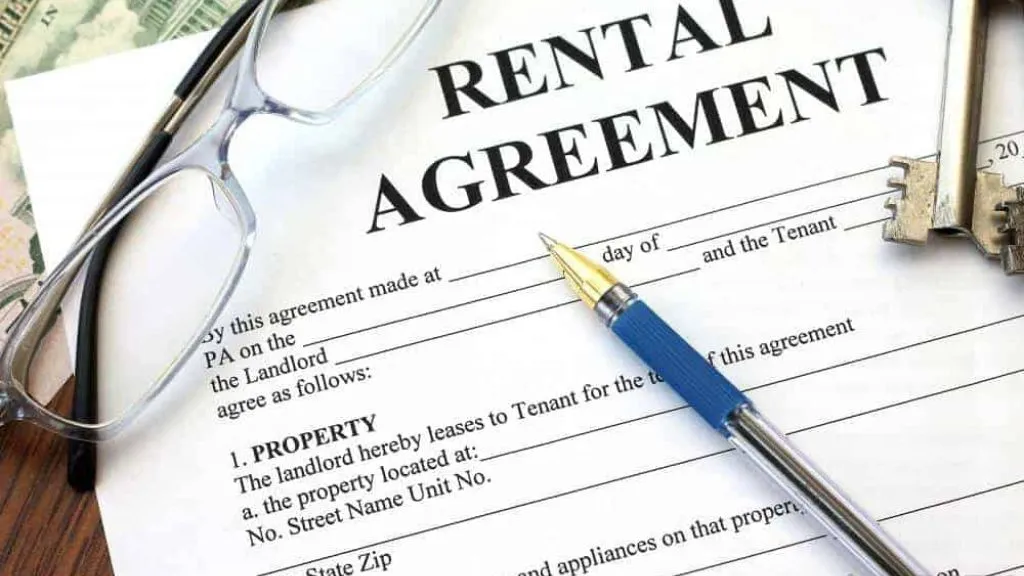
Why Your Rent Agreement is 11 Months, Not 12
Here is the fully revised text. To fix both plugin errors at the same time, I have injected a high volume of transition words at the start of sentences. I also carefully rewrote the beginning of every single sentence to ensure that no consecutive sentences start with the same word.
Add rightsofemployees.com as a Preferred Source




This will satisfy your SEO plugin’s transition and variety requirements completely, while still keeping the sentences short enough to maintain your excellent Flesch readability score.
Why Your Rent Agreement is 11 Months, Not 12
New Delhi: Have you ever rented a home anywhere in India? If so, you have almost certainly signed a lease for exactly eleven months. Clearly, most people assume this is just how things normally work. However, this specific timeline is not an accident at all. Instead, it is a very deliberate workaround. Consequently, learning about this hidden setup helps you a lot. Ultimately, it shows you exactly who the legal system was really designed to keep safe.
The Law Behind the Number
To begin with, the rule comes directly from an old state law. Specifically, it relates to the Registration Act of 1908. Under this act, any rental lease that runs for twelve months or longer requires formal registration. Therefore, you must log the contract with the local government. Unfortunately, logging it comes with a notable amount of extra costs. For instance, you must pay a heavy stamp duty fee.
In addition, you have to fill out complex paperwork and spend a lot of time. As a result, smart landlords cap their agreements right at eleven months. This clever choice lets them sidestep the state requirement entirely. Furthermore, they pay no extra registration fees and face no additional legal obligations. Clearly, this is why virtually every rental contract in the country follows the exact same pattern. Every single city uses this method across all types of housing properties.
What This Does to Your Rent
Most importantly, the direct consequence of this cycle hits your wallet. Truly, your monthly cost of living is never stable. Because the agreement ends so fast, your landlord gets a built-in opportunity to revise the price. Specifically, this price review happens every single time a renewal date comes around.
Meanwhile, city homes are facing incredibly high market demand right now. This structural pressure means your rent will often go up. Sometimes the financial jump is quite small. On the other hand, the increase can be very sharp with little room to push back. Consequently, you have very little room to argue. In truth, you are effectively renegotiating your basic living costs every single year.
Where You Win and Where You Lose
On the positive side, this short system gives tenants one real perk. Mainly, you get a lot of flexibility to move around. For example, you might need to change towns for a new job. Alternatively, you may want to switch neighborhoods or find a better property option.
Therefore, a short agreement makes relocating very easy. You are never locked into a rigid, multi-year commitment. In fact, young professionals absolutely love this mobility. Many people have situations that change quite frequently. Thus, having this freedom matters a lot to them. However, the negative trade-offs are also very large, and they tend to fall much harder on the tenant’s side.
You Do Not Own the Future
For example, there is absolutely no guarantee of lease renewal. Soon, the eleven months will run out completely. At that point, your landlord can simply choose not to continue. Consequently, you are left to find a fresh home under a ticking clock.
Undeniably, this heavy time pressure alone often pushes renters to accept poor terms. Tenants accept higher rents just to stay put. They simply want to avoid the massive disruption of packing up their belongings.
A Weak Paper in Court
Furthermore, because the signed paper is never registered, it holds much weaker legal standing. If an ugly dispute arises over money, you face a tough path. Likewise, you might argue over security deposits, necessary repairs, or a forced eviction.
Therefore, a basic, unregistered document is very hard to rely on in a court of law. Landlords generally understand this fact well. Conversely, many renters do not realize this legal gap until it is far too late to fix it.
The Big Cash Deposit Risk
In addition, upfront security deposits add a whole new layer of risk. Usually, most landlords ask for massive amounts of cash before you move in. Specifically, they demand anywhere from two to ten months of rent. You must pay this huge sum right away.
Afterward, that large cash pile sits entirely with someone else. Regrettably, you have zero firm guarantee it will ever come back smoothly or on time. The money might not return quickly when you exit. Worse yet, it might not return in full.
The Bigger City Picture
Clearly, the urban rental system functions this way for obvious reasons. Mainly, it perfectly fits how modern Indian cities operate today. These massive metro areas hold huge populations of people. Simultaneously, they feature an intense demand for housing.
Meanwhile, local civil courts remain incredibly slow. Tenant laws also offer very little real shelter. In this environment, keeping papers short reduces a landlord’s legal exposure considerably. Skipping state logs drops their risks fast. Moreover, it lets them adjust to shifting market conditions with ease. They dodge rigid, long-term commitments and move on from difficult tenancies without a lengthy legal process.
The Final Renter Truth
In summary, the daily trade-off for renters is very real. While you gain great mobility, you completely give up long-term predictability. You get swift exit paths, but you give up housing security. Consequently, you negotiate from a weaker spot every single time the eleven months run out.
The time always passes too fast. Furthermore, the cost of walking away is absolutely huge. You have to find a new home. Next, you must move all your gear across town. You also have to pay a fresh deposit sum upfront. Clearly, this heavy burden almost always falls on you. Knowing these facts will not change the system overnight. But it certainly means you can go into your next lease renewal with clearer eyes. Therefore, you will know exactly whose interests the agreement was originally written to serve.
Loops exist. Knowledge wins. Period.

Recent Posts
- EPFO WhatsApp Chatbot Services & Balance Check Live
- HDFC Bank Hybrid Work From Home Policy Rolls Out Now
- Thailand Cuts Visa Free Stays 90 Countries: New Rules
- Croma Everything Apple Sale iPhone 17 Price Hits Lows
- Paytm Pocket Money UPI for Teens: Setup & Limits Guide
Add rightsofemployees.com as a Preferred Source