
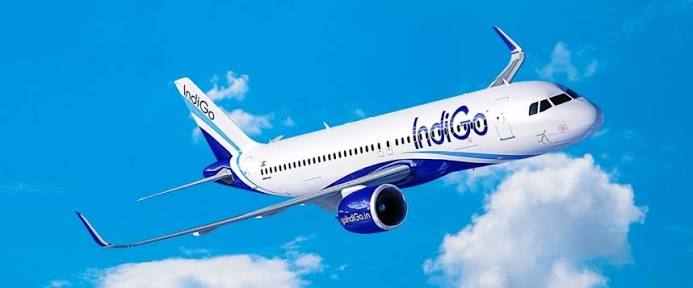
Market leaders IndiGO & Air India warn that relaxing cross-ownership rules between airport operators and airlines threatens fair competition, creates severe conflicts of interest, and harms employment.
India’s dominant domestic carriers—IndiGo and Air India—have raised severe objections to the Adani Group’s reported interest in launching a commercial airline. The backlash follows reports that the conglomerate has requested the central government to relax long-standing cross-ownership restrictions that prohibit airport operators from acquiring controlling stakes in scheduled airlines and vice versa.
Add rightsofemployees.com as a Preferred Source




Together controlling nearly 90% of India’s domestic aviation market, both airlines argue that integrating airport infrastructure ownership with commercial flight operations represents an unprecedented vertical consolidation risk.
┌─────────────────────────────────────────────────────────────────────────┐
│                    Cross-Ownership Rule Caps Today                      │
├───────────────────────────────────┬─────────────────────────────────────┤
│   Jewar & Navi Mumbai Agreements  │      Delhi & Mumbai Agreements      │
├───────────────────────────────────┼─────────────────────────────────────┤
│ Max 26% airline stake permitted   │ Strict 10% cap on airline ownership │
│ for airport concessionaires       │ for airport operating entities      │
└───────────────────────────────────┴─────────────────────────────────────┘
Rahul Bhatia Warns of “No Global Precedent”
Addressing shareholders and market analysts during IndiGo’s quarterly results call on July 22, 2026, Managing Director Rahul Bhatia fielded direct queries regarding the proposed policy shift.
Bhatia cautioned that dismantling regulatory firewalls between airport operations and airline ownership sets a dangerous precedent:
“There is no global precedent because it would typically raise a massive conflict of interest, and over a period of time it would work against the interest of consumers.” — Rahul Bhatia, Managing Director, IndiGo
Vertical Consolidation Risks and Market Squeeze
echoing IndiGo’s stance, senior leadership at Air India expressed deep concerns over the Adani Group’s extensive footprint across the broader aviation ecosystem. Beyond operating eight major Indian airports, the conglomerate maintains strategic investments in flight training, aircraft Maintenance, Repair, and Overhaul (MRO) facilities, air cargo handling, and airport retail concessions.
                              [ Adani Infrastructure Ecosystem ]
                                              │
    ┌───────────────────┬─────────────────────┼─────────────────────┬───────────────────┐
    ▼                   ▼                     ▼                     ▼                   ▼
8 Major Airports    Ground Handling      Cargo Operations       MRO Facilities      Pilot Training
    │                   │                     │                     │                   │
    └───────────────────┴─────────────────────┼─────────────────────┴───────────────────┘
                                              ▼
                             Potential Scheduled Airline Launch
                                (Vertical Integration Risk)
Speaking anonymously to The Hindu, a senior Air India executive emphasized the systemic hazards of end-to-end integration:
“Vertical consolidation in the airline industry is a problem… It is a recipe for conflict of interest as well as squeezing other players. Such a consolidation across the value chain not only kills competition but also results in fewer jobs.” — Senior Air India Executive
Industry observers note that an airport-owning airline could potentially gain preferential slot allocations, reduced landing fees, or priority terminal positioning—putting non-affiliated carriers at an immediate operational disadvantage.
Headwinds Mount: IndiGo Registers Q1 Net Loss
The policy dispute comes at a delicate financial juncture for market leader IndiGo. Parent company InterGlobe Aviation reported a net loss of ₹238 crore for the April–June quarter, marking its second consecutive quarterly loss after a net profit of ₹2,176 crore during the same period in the prior year.
| Financial Parameter | Q1 Previous Year | Q1 Current Year | Shift |
| Net Financial Result | Net Profit: ₹2,176 Cr | Net Loss: ₹238 Cr | 110.9% Decline |
| Primary Pressure Points | Stable fuel prices & exchange rate | High fuel costs, weak Rupee, West Asia conflict | Significant operational strain |
Higher Aviation Turbine Fuel (ATF) costs, currency depreciation against the US Dollar, and flight route detours caused by regional conflicts in the Middle East severely dented operating margins despite healthy passenger demand.
FAQ
Why are cross-ownership rules enforced between airports and airlines?
Cross-ownership restrictions prevent airport operators from favoring their own airline over competitors in critical areas like gate allocations, slot timings, landing charges, and ground handling services.
What cross-ownership limits currently apply to Indian airports?
Concession agreements for Delhi and Mumbai airports cap airline ownership by airport operators at 10%. Newer projects, such as Noida International (Jewar) and Navi Mumbai, permit up to a 26% cross-ownership stake.
What is the Adani Group’s current presence in the aviation sector?
Adani Airports operates eight major airports in India (including Mumbai) and holds active business arms across pilot training centers, aircraft MRO hubs, duty-free retail, cargo terminals, and inflight catering services.

Related Article Suggestions
- Why Relying on an ITR Filing Extension Can Become an Expensive Mistake
- IBPS PO Recruitment 2026: Online Application Window Closes Today for 7,365 Posts
- How Your 14-Digit CKYC Identifier Eliminates Duplicate Verification Across Banks and Insurers
- NPCI Developing Offline NFC Tap-to-Pay for UPI Transactions Up to ₹2,000
- IMD Issues Heavy to Very Heavy Rainfall Alerts Across North and Western India
Add rightsofemployees.com as a Preferred Source