New LPG Rules: One Household, One Connection Rule Explained
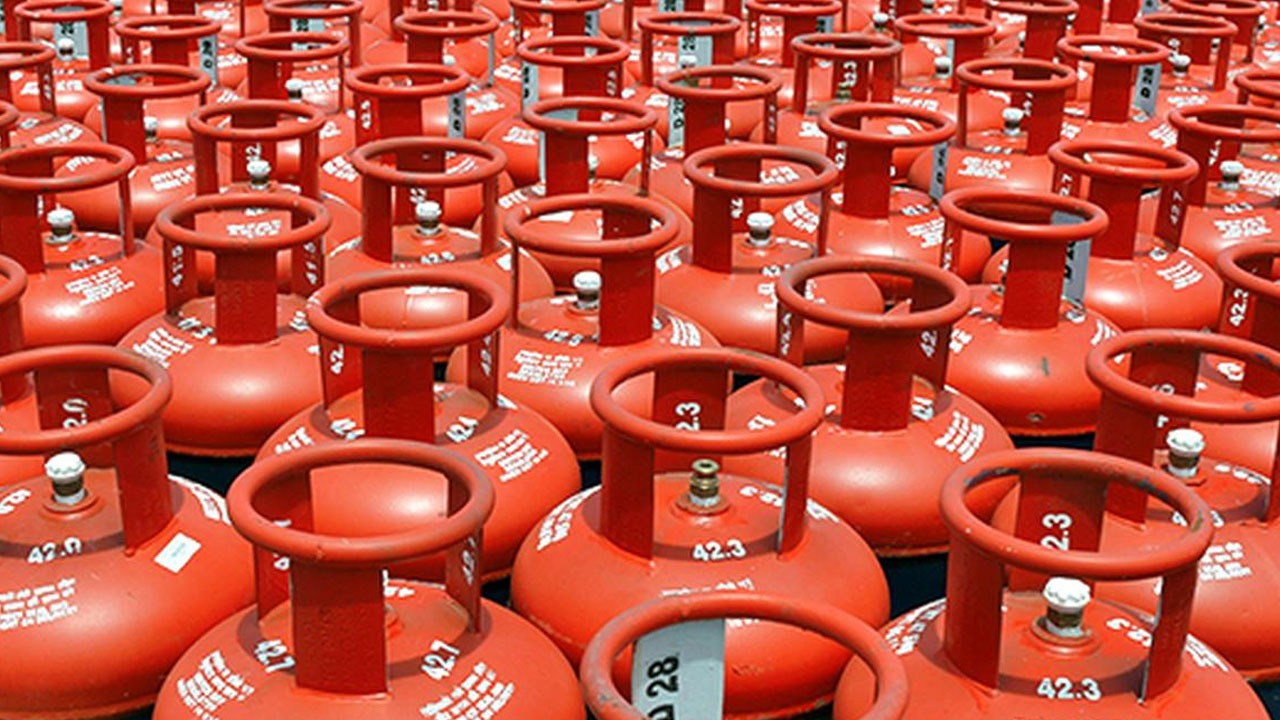
The Ministry of Petroleum and Natural Gas has tightened the enforcement of the “One Household, One LPG Gas Connection” policy. Under the Liquefied Petroleum Gas (Regulation of Supply and Distribution) Amendment Order, regulations have been updated to ensure the fair distribution of cooking fuel across both rural and urban sectors.
Add rightsofemployees.com as a Preferred Source




The core rule remains firm: A single household sharing a common kitchen is permitted to have only one LPG connection.
Defining a “Household” and Multiple Connections
For all regulatory and verification purposes, a household is defined by the kitchen, not just the relations under the roof.
-
Who Counts as One Household: A husband, wife, dependent children, married children, or dependent parents sharing a common kitchen are legally treated as a single household. They cannot hold separate LPG connections under different family members’ names.
-
The Double Bottle Connection (DBC) Option: If a single kitchen requires a backup cylinder for convenience, the family cannot apply for a second separate account. Instead, they must apply to upgrade their existing account to a DBC, which allows two cylinders legally linked to a single subscription.
-
When Separate Connections Are Allowed: Multiple connections on the same property are permissible only if independent families live in separate portions of the house and maintain completely independent kitchens. This setup requires verification through a distributor field inspection, address proofs, and physical KYC documentation.
The New 30-Day LPG-PNG Transition Mandate
The government is actively driving urban homes to transition to Piped Natural Gas (PNG) to free up cylinder supplies for regions lacking pipeline infrastructure. The revised framework introduces strict deadlines and operational relaxations:
-
Mandatory 30-Day Surrender: If your household gets a functional PNG connection activated, you must apply to terminate your existing domestic LPG connection (Indane, Bharat Gas, or HP Gas) within 30 days of PNG activation.
-
The Future Reconnection Relief: To protect tenants, students, and employees with transferable jobs, the rule provides a vital cushion. Upon surrendering the LPG connection, consumers receive a Transfer Voucher. If they later relocate to a non-PNG area or a smaller town, this voucher allows them to instantly restore their domestic LPG connection without paying new security deposits or undergoing fresh registration hassles.
-
Consequences of Non-Compliance: Failing to surrender the cylinder or register your dual status before the final compliance push on June 30 will trigger automated blocks on your account. Databases are being integrated across oil marketing companies (OMCs) and city gas networks, and duplicate or dual-connection households will have their refill bookings rejected and subsidies deactivated.

New Lock-In Booking Intervals for Regular LPG Users
For households that do not have access to PNG networks and rely solely on traditional cylinders, the minimum wait time between booking successive refills has been increased to ensure equitable supply management:
| Sector | New Refill Booking Interval | Previous Wait Time |
| Urban Areas | 25 Days | 21 Days |
| Rural Areas | 45 Days | 21 Days |
Recent Posts
- Govt Divestment Target: Amid the Iran war, the government raised ₹20,000 crore in two months. Where did it get the money from?
- US fires missile at Iran after Apache helicopter attack; Iran retaliates
- India’s Fertility Rate Drops Below Replacement Level to 1.9: Key Impacts
- DSSSB Recruitment 2026: Delhi Govt Announces 1,979 Teaching & Technical Posts
- Bank of Baroda Extends Apprentice Recruitment 2026 Deadline for 5,000 Posts
Add rightsofemployees.com as a Preferred Source