
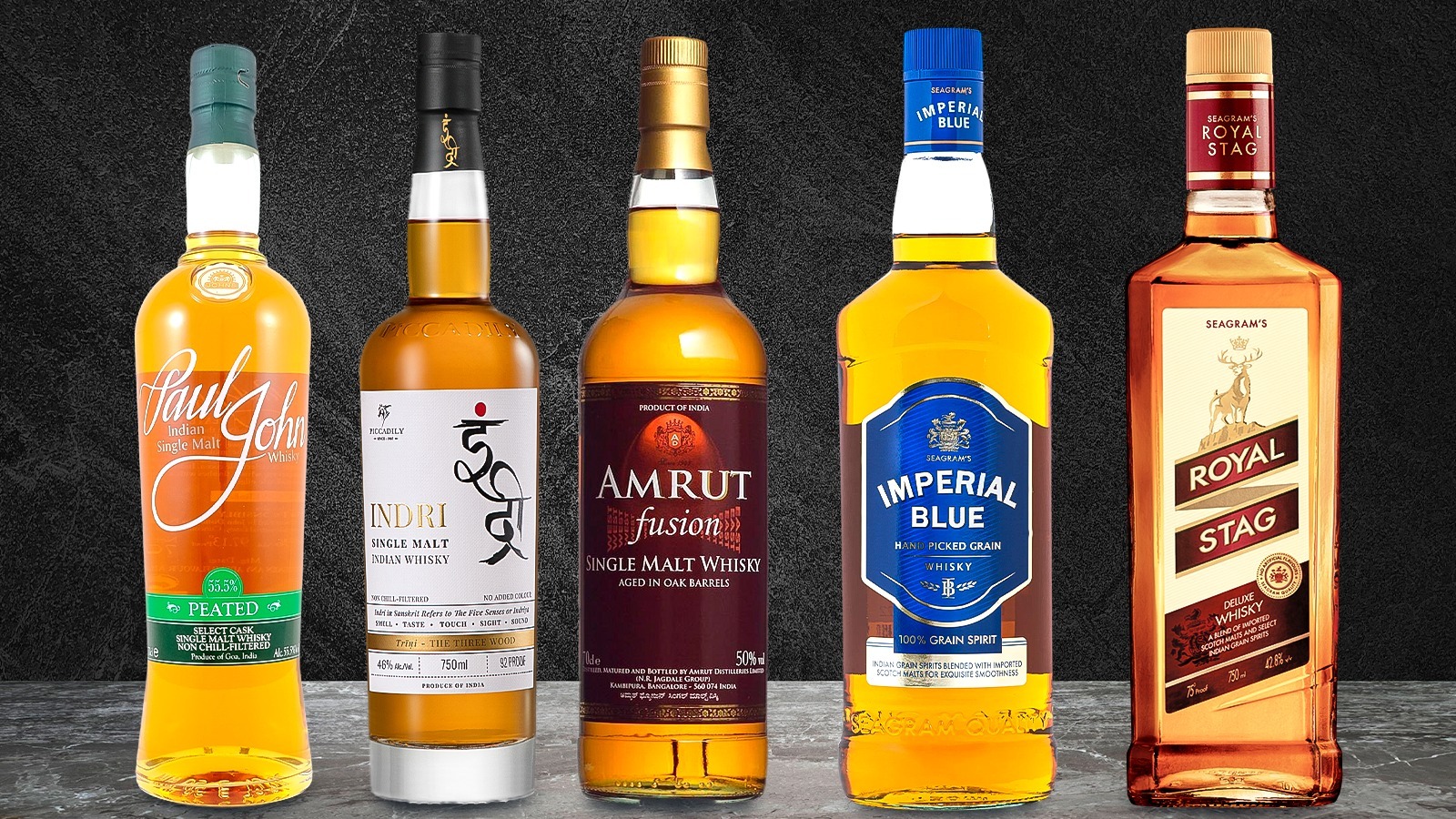
The Real Reason Indian Whisky Costs a Fraction of Foreign Brands
In 2026, the price gap between a local bottle of Indian whisky and an imported Scotch remains massive. You can often grab a local brand for ₹1,000, while a bottle of Jack Daniel’s or Glenfiddich easily crosses the ₹10,000 mark. Most people assume they pay for a fancy label or clever marketing. But the real difference lies in the chemistry and the time spent inside the bottle. Once you look at the production methods, that price jump makes perfect sense.
Add rightsofemployees.com as a Preferred Source




Also Read | Delhi Water Supply News: Ammonia Spikes Cause Shortage Until Feb 4
True Whisky vs. Indian “IMFL”
First, we should understand what “whisky” actually means. International laws require distillers to make true whisky from grains like barley, corn, or wheat. These companies must also age the spirit in oak barrels for several years. This process locks up huge amounts of money in warehouses for a long time.
In contrast, most Indian brands fall under the category of IMFL (Indian Made Foreign Liquor). Instead of using expensive grains, these companies use molasses—a sugary byproduct of the sugar industry. They distill this into Extra Neutral Alcohol (ENA). Basically, ENA is a 96% pure spirit with zero taste or smell. It is the same stuff companies use to make hand sanitizers or perfumes. Consequently, Indian producers can churn out a batch in days, while a Scottish distillery must wait for years.
Also Read | Delhi Water Supply News: Ammonia Spikes Cause Shortage Until Feb 4
The Hidden Cost of Time
Time is the most expensive ingredient in a foreign bottle. Because Scotch ages in oak barrels, the wood adds all the color and flavor naturally. You taste the vanilla and caramel from the charred oak. However, Indian IMFL makers skip this entire waiting period. They dilute the ENA with water. Then, they add artificial flavorings and caramel coloring to give it that “whisky” look. Since they don’t have to pay for years of storage, they can sell the final product at a much lower price.
The 2026 Luxury Shift
Interestingly, the lines are starting to blur. While cheap IMFL still dominates the market, Indian single malts like Indri and Rampur now win global awards. Because these premium Indian brands follow the traditional grain-and-barrel method, their prices also climb. Therefore, if you want the “real thing,” you should check if your bottle says “100% Malt” or “Pot-Distilled.” Otherwise, you are likely drinking flavored molasses spirits.

Also Read | Delhi Water Supply News: Ammonia Spikes Cause Shortage Until Feb 4
Add rightsofemployees.com as a Preferred Source