
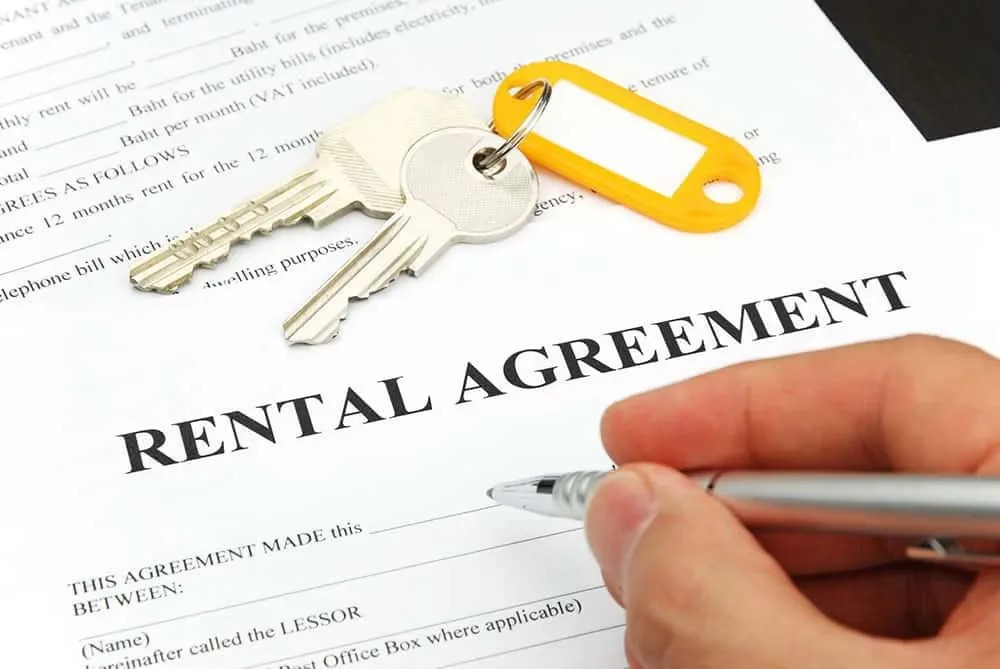
The rental market in India is undergoing a massive transformation, thanks to the rollout of the New Rent Agreement Rules 2025, which are based on the central government’s Model Tenancy Act (MTA). This isn’t just bureaucratic paperwork; this is a fundamental shift designed to give renters more security, greater clarity, and protection from arbitrary actions by landlords.
Add rightsofemployees.com as a Preferred Source




For too long, the rental experience has been defined by unwritten rules and informal agreements. The MTA aims to replace that ambiguity with formal, transparent, and digitally-backed contracts.
Here is a breakdown of the three key areas where the new rules grant tenants significant power and peace of mind.
Also read: The Professional Exit: 10 Essential Steps to Take Before You Resign
1. Financial Protection: The Two-Month Deposit Guarantee
One of the biggest hurdles for new renters—students, young professionals, and first-time movers—has always been the hefty security deposit, often stretching to six months’ rent or more. The new law slashes this burden immediately.
What You Need to Know:
- The Cap is Two Months: Your landlord is legally limited to asking for a maximum of two months’ rent as a security deposit. This frees up a substantial amount of capital, making housing far more accessible.
- E-Agreements = Enforceable Law: The requirement for mandatory electronic (e-agreements) and registered contracts means this cap is legally enforceable. You are no longer relying on a handwritten, often vague, piece of paper.
- Expert View: Siddharth Maurya, Founder & Managing Director, Vibhavangal Anukulakart Pvt. Ltd., emphasized this affordability impact: “The two-month cap is transformative for accessibility. Combined with stampable e-agreements, it ensures every term, including the deposit, is traceable and legally binding, securing peace of mind for both parties.”
Also read: The Professional Exit: 10 Essential Steps to Take Before You Resign
2. Stability & Fairness: Say Goodbye to Surprise Hikes
The new rules establish clear, standardized timelines for rent changes and eviction, ensuring that tenants have sufficient notice to budget, plan, or find a new property if necessary.
What You Need to Know:
- 3-Month Rent Hike Notice is Mandatory: A landlord cannot legally change your rent overnight. The MTA mandates a minimum three-month notice period before any rent increase can take effect. This standardizes rent reviews, eliminating sudden, aggressive demands.
- Standardized Contracts: The MTA introduces uniform rental agreement formats that all parties must use. This prevents landlords from inserting hidden, highly disadvantageous, or “ad-hoc” clauses into the contract.
- Expert View: Anurag Goel, Director, Goel Ganga Developments, highlighted the necessity of this reform: “This marks the first true comprehensive rent legislation. These systematic agreements eliminate the practice of unregulated contracts, and the required three-month notice period for rent adjustment is a major win for transparency.”
3. Legal Security: Fast Track to Justice
For tenants facing issues like arbitrary eviction threats or the wrongful withholding of a deposit, the previous legal process could take years. The MTA introduces a specialized, fast-track system.
Also read: The Professional Exit: 10 Essential Steps to Take Before You Resign
What You Need to Know:
- Special Rent Courts: The new framework establishes dedicated tribunals and Special Rent Courts focused only on landlord-tenant disputes.
- 60-Day Resolution Goal: The most important detail is the limit: all disputes brought before the tribunal must be resolved within a target of 60 days. This dramatically reduces the risk of prolonged legal limbo, protecting the tenant from being indefinitely locked out of their deposit or facing a protracted eviction battle.
- Encouraging Supply: The speed of resolution is expected to encourage homeowners who currently fear long legal battles to finally rent out their vacant properties, thereby increasing the housing supply. Pramod Kumar Gupta, Director, Kadamashree Developers India LLP, noted that the new rules “cut through the confusion that has plagued the market, while standardized agreements prevent the use of hidden, harmful clauses.”
Also read: The Professional Exit: 10 Essential Steps to Take Before You Resign
Your Essential Tenant Checklist for 2025
Before you sign any new rental agreement, verify these five critical points to ensure your contract complies with the New Rent Agreement Rules:
- Legal Registration: Is the final agreement digitally stamped and officially registered? (Mandatory)
- Deposit Limit: Is the security deposit capped at a maximum of two months’ rent?
- Hike Notice: Does the contract state a minimum 3-month notice period for any rent increase?
- Eviction Process: Does the contract clearly outline your right to adequate notice before any eviction proceedings?
- Dispute Access: Are you aware that you can access the 60-day Rent Tribunal system for fast, official resolution?
The Home Renting Rules 2025 are designed to professionalize renting. Understand these new rights, and you will be in a much stronger, more secure position when you sign your next lease.
Also read: The Professional Exit: 10 Essential Steps to Take Before You Resign
Add rightsofemployees.com as a Preferred Source