
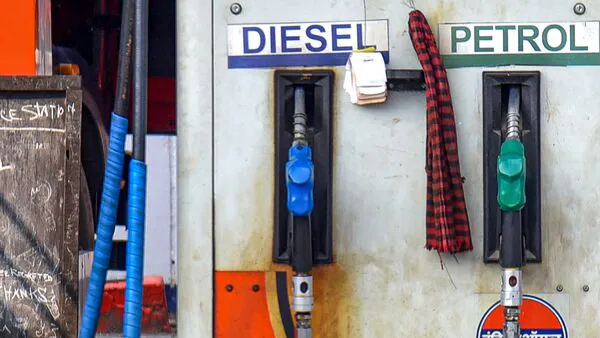
The Petroleum Ministry completely withdraws the 200-liter daily retail diesel cap and allows industrial consumers to return to retail pumps as international energy logjams clear.
NEW DELHI — In a clear sign that India’s domestic energy supply lines are normalizing, the Union government on Monday evening announced the complete removal of all rationing protocols and purchase caps on petrol and diesel. Effective July 1, 2026, the directive rescinds temporary emergency orders introduced earlier this month, giving commercial transport fleets, logistics operators, and industrial units unrestricted access to retail fuel networks.
Add rightsofemployees.com as a Preferred Source




The landmark rollback effectively eliminates two major market interventions: the strict 200-liter daily retail limit on diesel per vehicle, and the sweeping ban that legally prohibited heavy industrial consumers from sourcing fuel directly from retail petrol pumps.
Recent Posts
- The Dangerous Sleep Paradox: Daytime Exhaustion Combined with Insomnia Triples High Blood Pressure Risk
- The Hourly Reset: A 5-Minute Walk Reverses the Harmful Effects of Prolonged Sitting, New Study Confirms
- Maharashtra TET 2026 Exam Postponed Following Paper Leak in Thane
- Empowering Your Vote: The Complete Guide to Applying for and Verifying Your Voter ID Card Online
- Weekend Special: How to Download Your Birth or Marriage Certificate Online in Minutes
Easing the Friction Between Bulk and Retail Pricing
The initial control orders, rolled out by the Union Petroleum Ministry on June 12, were originally designed to prevent hoarding and curb black-marketing. At the root of the crisis was a massive Rs 40 per liter price differential—bulk diesel bought via dedicated corporate contracts was significantly more expensive than regular consumer fuel sold at retail pumps.
To bypass this premium, massive industrial operations began flooding consumer fuel stations, triggering widespread supply pinches for everyday motorists.
Diesel Market Supply Dynamics (Transitioning July 1, 2026):
├── Bulk Corporate Fuel Contracts
│   └── Status: Priced ~₹40 higher per liter due to global market exposure.
├── Local Retail Fuel Stations
│   └── Pre-July 1: Capped at 200 liters per vehicle per day to protect retail users.
└── New Unified Policy Alignment
    └── July 1 Onward: Zero caps; industrial users permitted to purchase at retail pumps.
The temporary restrictions successfully protected retail consumers and maintained uniform fuel availability. With supply arrangements fully restored, the Ministry determined that keeping the 90-day emergency mandate active was no longer required.
Recent Posts
- The Dangerous Sleep Paradox: Daytime Exhaustion Combined with Insomnia Triples High Blood Pressure Risk
- The Hourly Reset: A 5-Minute Walk Reverses the Harmful Effects of Prolonged Sitting, New Study Confirms
- Maharashtra TET 2026 Exam Postponed Following Paper Leak in Thane
- Empowering Your Vote: The Complete Guide to Applying for and Verifying Your Voter ID Card Online
- Weekend Special: How to Download Your Birth or Marriage Certificate Online in Minutes
Part of a Broader Energy Regularization Wave
This decision builds directly upon a sequence of regulatory ease-of-access steps taken by the state. Just days prior on June 25, the government fully restored industrial and commercial Liquefied Petroleum Gas (LPG) allocations to pre-crisis volumes, completely undoing the sector-specific rationing plans triggered by the West Asia conflict.
Economic Analyst Insight: The prompt withdrawal of these emergency caps highlights India’s improved supply security. Sourcing lower-cost retail fuel will provide an immediate financial boost to local manufacturing, agricultural transport, and regional logistics providers moving into the next fiscal quarter.
With retail networks now open to all buyer tiers, state-owned oil marketing companies are expected to scale up daily distribution logistics to match the anticipated surge in retail pump traffic from heavy commercial vehicles starting Wednesday morning.
FAQ
Why did the government restrict factories and industries from using regular retail fuel pumps?
Because of high global energy volatility, bulk corporate diesel prices spiked to roughly Rs 40 more per liter than domestic consumer pump prices. To save money, massive industrial operations began buying their fuel from public retail stations instead of their wholesale channels. This unexpected spike in demand threatened to cause local shortages for everyday commuters, forcing the government to step in with restrictions.
Does the removal of the 200-liter cap mean fuel prices will drop on July 1?
No. The new directive changes how much fuel you can buy and where you can buy it, but it does not alter daily fuel pricing formulas. However, for commercial truck drivers and factory operators, it cuts down operational expenses by allowing them to buy high volumes of lower-priced retail fuel without restriction.
Are there any remaining caps on commercial LPG or diesel allocations after July 1?
No. Following the June 25 update for commercial LPG and this latest June 29 order for liquid fuels, all emergency caps, rationing thresholds, and sector-specific restrictions introduced during the West Asia supply squeeze have been entirely dismantled.

Recent Posts
- The Dangerous Sleep Paradox: Daytime Exhaustion Combined with Insomnia Triples High Blood Pressure Risk
- The Hourly Reset: A 5-Minute Walk Reverses the Harmful Effects of Prolonged Sitting, New Study Confirms
- Maharashtra TET 2026 Exam Postponed Following Paper Leak in Thane
- Empowering Your Vote: The Complete Guide to Applying for and Verifying Your Voter ID Card Online
- Weekend Special: How to Download Your Birth or Marriage Certificate Online in Minutes
Add rightsofemployees.com as a Preferred Source