Understanding and Reducing Your Stroke Risk
Strokes are often called “brain attacks” because they occur when blood flow to the brain is suddenly interrupted, depriving cells of vital oxygen. According to the CDC, a stroke occurs in the U.S. every 40 seconds.
Add rightsofemployees.com as a Preferred Source


While the statistics are sobering, medical advancements are shifting toward a new era of precision prevention. By understanding your specific risk profile and monitoring your health data, you can significantly lower your chances of experiencing a life-altering event.
Also Read | Delhi’s Holi Gift: Free LPG Cylinder Scheme for EWS Families (2026)
1. Types of Stroke: Ischemic vs. Hemorrhagic
About 90% of all strokes fall into the Ischemic category, but both types require immediate emergency care.
-
Ischemic Stroke: Occurs when a blood clot or plaque buildup (atherosclerosis) blocks an artery leading to the brain.
-
Hemorrhagic Stroke: Occurs when a blood vessel in the brain leaks or ruptures, causing blood to pool and put pressure on brain tissue.
-
TIA (Transient Ischemic Attack): Often called a “mini-stroke,” this is a temporary blockage. While it doesn’t cause permanent damage, it is a major warning sign that a full stroke may be imminent.
2. “Life’s Essential 8”: The Gold Standard for Prevention
The American Heart Association identifies eight key areas, divided into Health Behaviors and Health Factors, that act as the foundation for stroke prevention.
| Health Behaviors | Health Factors |
| Eat Better: Focus on whole foods, lean protein, and healthy fats. | Manage Weight: Maintain a BMI under 25 to reduce strain on the heart. |
| Be More Active: Aim for 150 minutes of moderate activity per week. | Control Cholesterol: Monitor “bad” non-HDL cholesterol levels. |
| Quit Tobacco: Eliminate nicotine to prevent blood vessel damage. | Manage Blood Sugar: Keep glucose in check to protect arteries. |
| Get Healthy Sleep: Prioritize 7–9 hours of quality rest per night. | Manage Blood Pressure: Keep readings below 120/80 mmHg. |
Also Read | Delhi’s Holi Gift: Free LPG Cylinder Scheme for EWS Families (2026)
3. The Power of Self-Monitoring
As Dr. Jason Hinman of UCLA Health notes, the “next frontier” of stroke medicine involves individualized risk prediction.
-
Wearables & Apps: Smartwatches and tracking apps allow you to gather thousands of data points on your heart rate, sleep quality, and activity levels.
-
A “Truer Picture”: Sharing this ongoing data with your doctor provides a much more accurate view of your health than a once-a-year checkup, allowing for more precise adjustments to your treatment plan.
4. Act FAST: Recognizing the Warning Signs
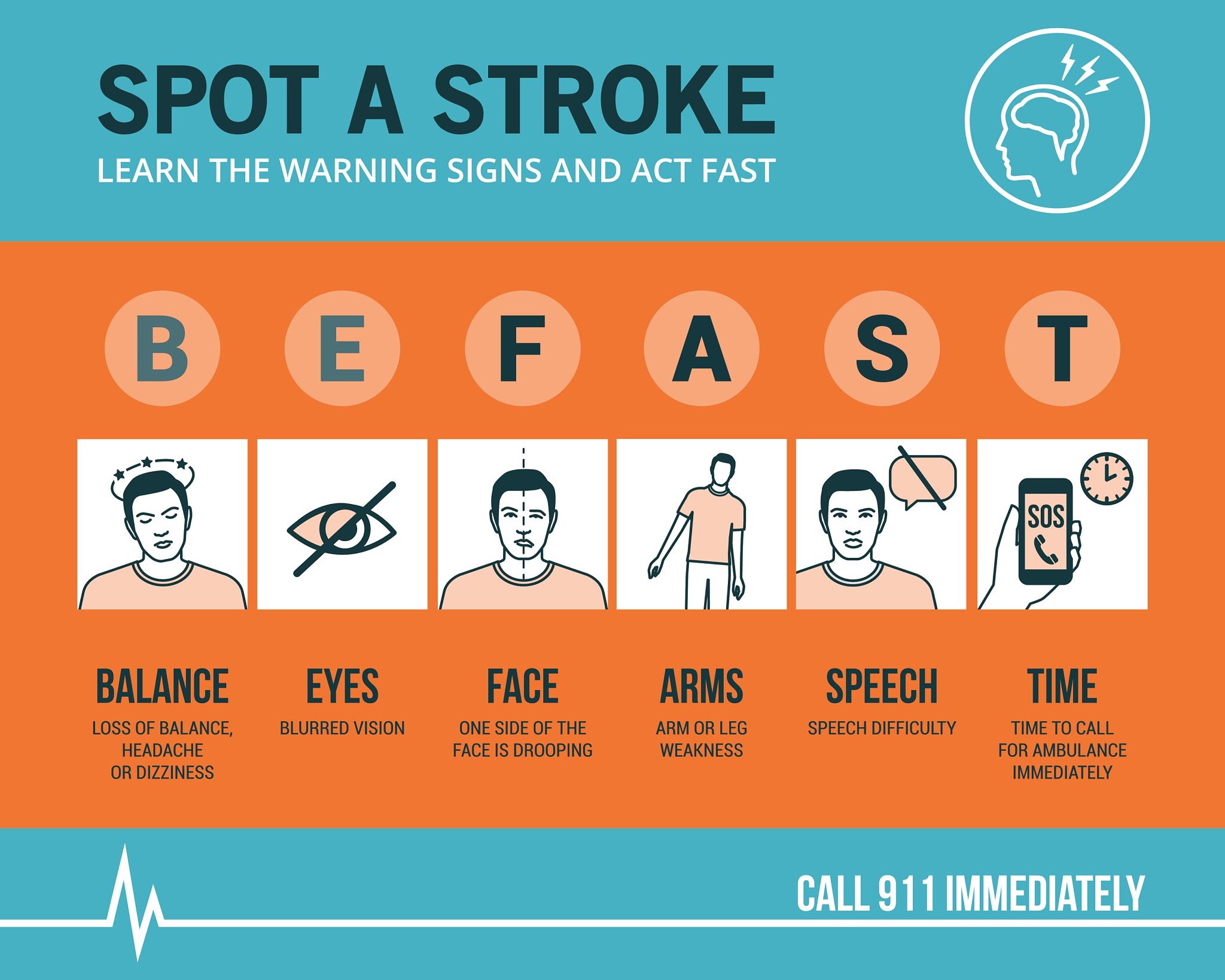
When a stroke occurs, “Time is Brain.” Every minute of delay can result in the loss of millions of neurons. Use the BE FAST acronym to identify symptoms:
-
B – Balance: Sudden loss of balance or coordination.
-
E – Eyes: Sudden blurred or double vision, or loss of sight.
-
F – Face: Does one side of the face droop when smiling?
-
A – Arms: Does one arm drift downward when both are raised?
-
S – Speech: Is speech slurred or strange? Can they repeat a simple sentence?
-
T – Time: Call 911 (or local emergency services) immediately….


Also Read | Delhi’s Holi Gift: Free LPG Cylinder Scheme for EWS Families (2026)
Add rightsofemployees.com as a Preferred Source