

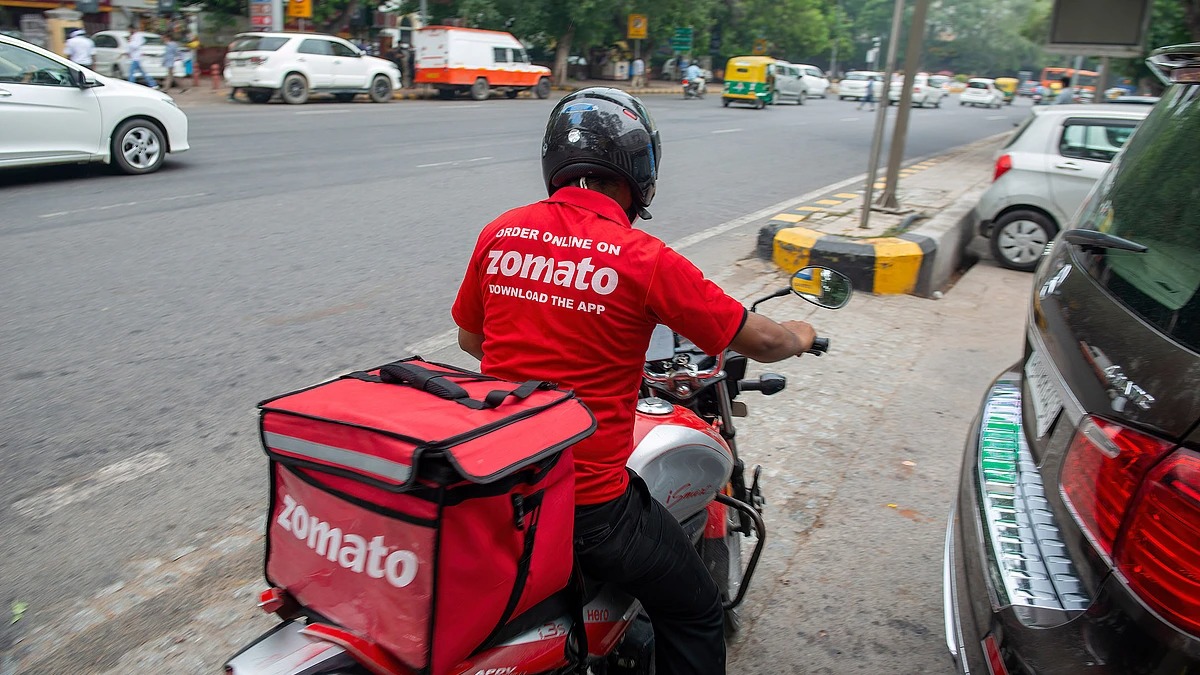
The biggest structural shift in the new Labour Codes is about the guy who drops off your dinner. India’s estimated 8 million+ gig workers—the delivery riders, the platform drivers—are no longer invisible. The new Social Security Code is fully in effect, dragging this massive, fluid workforce into a formal safety net. Or nothing.
Add rightsofemployees.com as a Preferred Source


The Game Changer: Mandatory Platform Payouts
This is the key. Aggregators—the companies like Zomato, Swiggy, and Uber—now have a statutory duty to contribute to a welfare fund for their associated workers.
-
The Fee: Platforms must contribute between 1% and 2% of their annual turnover to this fund.
-
The Cap: This is capped at $5\%$ of the total amount the platform pays to the gig workers.
This fund is designed to finance schemes covering life, disability, health, and old-age benefits. Workers will get an Aadhaar-linked Universal Account Number (UAN) for portable benefits across states and platforms. It’s the end of legal uncertainty.
The Corporate Response: Costs vs. Clarity
The thing is, the platforms have welcomed the move, but they are evaluating the financial hit.
-
Zomato/Blinkit (Eternal): They told shareholders the financial impact won’t be “detrimental” to the long-term business health. They already provide some benefits, which may offset some of the new costs.
-
The Reality: Operational costs for all aggregators (Amazon, Rapido, Uber) will rise. Legal experts suggest the simplest solution for the platforms is to pass this cost increase—likely 1-2 per order—to the customer via higher platform fees. The worker gets security, the platform gets a predictable cost structure, and the customer pays a little more. That’s the balance.
Why This Matters: Moving Past The Fringes
For the delivery partner, this signals the end of legal invisibility. It provides a foundational layer of stability—access to health insurance (ESIC), provident funds, and insurance—that was entirely missing before. They were transitioning from the fringes of the “unorganised” sector.
This isn’t just about a new fee. It’s about a permanent shift in the cost of doing business in India’s digital economy. The platforms must now move beyond voluntary welfare moves and set up robust, transparent systems for their new statutory duty. It’s a huge opportunity for worker protection, but the long game depends entirely on execution. It’s ongoing.
Add rightsofemployees.com as a Preferred Source