
Policy Shift: Central Government Slashes Subsidised Ujjwala LPG Quota to 4 Cylinders Annually
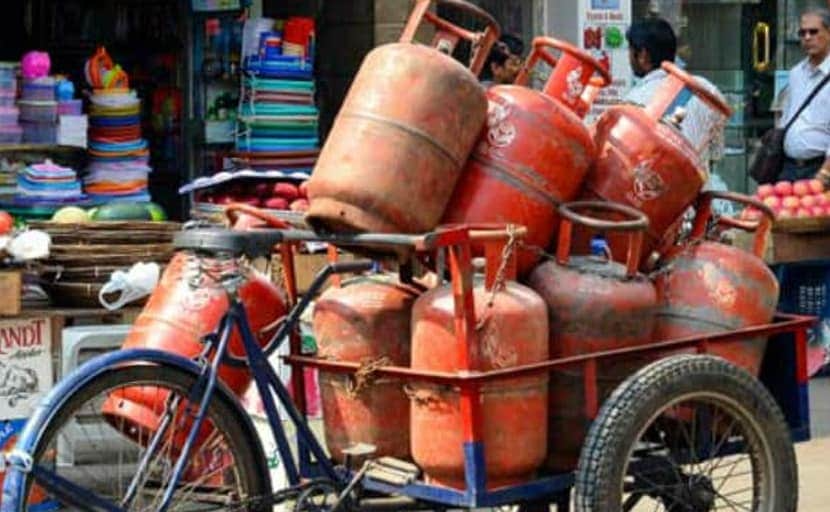
In a significant policy tightening aimed at managing fiscal pressures from rising global fuel costs, the Central Government has reduced the annual quota of subsidised Liquefied Petroleum Gas (LPG) cylinders for Pradhan Mantri Ujjwala Yojana (PMUY) beneficiaries. The revised mandate drops the eligible count from nine down to four refills per year.
Add rightsofemployees.com as a Preferred Source


According to the Ministry of Petroleum & Natural Gas, this downward calibration aligns the state financial safety net with the actual average household consumption data recorded across rural and low-income demographics.
Evolution of the Ujjwala Scheme Subsidy Quota
Launched in May 2016, the PM Ujjwala Yojana provides deposit-free cooking gas connections to adult women from economically vulnerable households to promote clean cooking fuel. However, volatile energy markets have prompted multiple structural cutbacks over recent fiscal cycles:
-
Initial Launch Blueprint: Beneficiaries were originally entitled to up to 12 subsidised 14.2-kg cylinders per year.
-
The 2025 Revision: The annual capped limit was compressed down to 9 subsidised refills.
-
The June 2026 Mandate: The annual quota has been permanently slashed to just 4 subsidised refills.
Price Breakdown & Immediate Household Impact
While the targeted ₹300 subsidy per 14.2-kg cylinder remains untouched, it will now only apply to the first four refills purchased in a calendar year. This effectively caps the maximum annual government subsidy support at ₹1,200 per household.
Following a cumulative price hike of ₹89 over the past three months—with the most recent market correction occurring on June 7, 2026—the financial divide between consumer segments in Delhi stands as follows:
| Consumer Category | Retail Price (14.2-kg Cylinder) | Direct Subsidy Benefit | Net Cost to Consumer |
| General Consumers | ₹942.00 | ₹0.00 | ₹942.00 |
| PMUY Beneficiaries (First 4 Refills) | ₹942.00 | ₹300.00 | ₹642.00 |
| PMUY Beneficiaries (5th Refill Onwards) | ₹942.00 | Out of Quota | ₹942.00 |
Macroeconomic Drivers Behind the Subsidy Cap
Speaking at a media briefing in Mumbai, Praveen Mal Khanooja, Additional Secretary in the Ministry of Petroleum & Natural Gas, highlighted that the decision was driven by sharp cost overruns in the energy import and distribution sectors.
-
Surging Procurement Costs: The actual landed supply cost of a domestic 14.2-kg LPG cylinder has climbed steeply to over ₹1,600.
-
OMC Under-Recoveries: State-run Oil Marketing Companies (OMCs) are absorbing massive under-recoveries, currently losing roughly ₹700 on every single cylinder sold to the public.
-
Consumption Alignment: Ministry analytics reveal that the typical PMUY household averages roughly 4 to 4.5 cylinder refills a year, meaning the cap covers baseline cooking requirements without incentivizing commercial diversion.
The new capping structure will take effect immediately across all distribution networks, meaning any refills booked beyond the initial four will be billed at the standard market rate.
Recent Posts
- ITR Filing 2026: Filing returns not only saves taxes, but also provides these 5 major benefits
- Storm wreaks havoc at Delhi Airport, 3 Air India planes damaged due to collision with ground equipment
- Poster war intensifies ahead of India alliance meeting in Delhi, opposition parties target Rahul Gandhi
- E85 Fuel Launches in India at ₹82.12: Can Your Car Run It?
- Annamalai Quits BJP: 14 Lakh Join ‘We The Leaders’ Movement
Add rightsofemployees.com as a Preferred Source