
One ID, Many Forms: Decoding the Validity and Security of All UIDAI Aadhaar Versions
-
The Traditional Letter: The Paper Standard for New Enrolments
Add rightsofemployees.com as a Preferred Source

-
Digital eAadhaar: Secure PDFs and the “Masked” Privacy Feature
-
mAadhaar and Mobile ID: Carrying Your Identity Without the Bulk
-
The PVC Evolution: Why Plastic is the Gold Standard for Security
-
Face Auth & Offline Checks: The Future of Aadhaar in 2025
Also Read | EPS-95 Pension Hike: Why the ₹7,500 Plan is Still Stuck
Aadhaar isn’t just a piece of paper anymore. The thing is, the UIDAI has rolled out several versions to make our lives easier.
Actually, whether you’re at an airport or a bank, all forms are legally on par. Specifically, the paper letter you get in the mail is just as powerful as the digital PDF on your phone.
As a result, you don’t need to carry the original bulky letter everywhere (let’s be real, it usually ends up getting crumbled in a drawer anyway). Consequently, understanding which version works best for your situation can save you a lot of time.
And here’s the kicker. Not all plastic cards are official.
Basically, the UIDAI warns against getting your Aadhaar printed on plastic at local shops. Instead of a generic print, you should order the official
Also Read | EPS-95 Pension Hike: Why the ₹7,500 Plan is Still Stuck
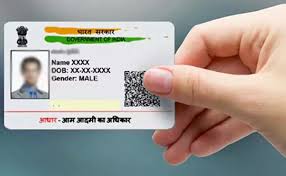
Aadhaar PVC Card. In fact, it’s the only one with high-tech security features like holograms and micro-text. And then Y followed. Thousands of people have had their local “plastic” cards rejected because they lacked the secure QR code needed for offline verification.
-
Aadhaar Letter: The free, laminated paper copy sent to your home. Actually, it’s great for physical filing but gets damaged easily.
-
eAadhaar (Digital PDF): Password-protected and digitally signed. Specifically, you can download the “Masked” version which hides the first 8 digits for extra privacy.
-
mAadhaar App: The ultimate wallet-free option. Basically, it’s a digital profile on your phone that’s accepted by Indian Railways and major airports (those too).
-
PVC Card: For ₹50, you get a durable, credit-card-sized ID that fits in your wallet. Actually, it includes a “ghost image” and a guilloche pattern to prevent tampering.
Moreover, the tech is getting even better. Specifically, the new 2025 regulations have prioritised offline verification.
Also Read | EPS-95 Pension Hike: Why the ₹7,500 Plan is Still Stuck
Actually, this means places like hotels or event venues can now verify you just by scanning your QR code—no need to connect to a central database. As a result, verification is faster and your data stays safer on your own device. Consequently, the mAadhaar app is becoming the “go-to” for the younger, tech-savvy crowd (I checked this twice).
The thing is, some things still require a physical trip. In fact, for biometric updates like fingerprints or iris scans, you can’t use the app.
Basically, the digital forms are for sharing and verifying your identity, not for changing your permanent biometrics. Instead of a tidy wrap-up, just keep in mind that the government is pushing hard for a “paperless” system by 2026. And then Y followed. Most private sector entities are already being discouraged from asking for physical photocopies, preferring digital QR scans instead….
Also Read | EPS-95 Pension Hike: Why the ₹7,500 Plan is Still Stuck
Add rightsofemployees.com as a Preferred Source