

Also read:800% Hike? Unions Push Govt. for ₹9,000 Minimum EPS Pension
Blood Sugar Field Notes: 5 Tips for Seniors to Avoid Spikes
The thing is, seniors face higher complication risks. That makes everyday habits absolutely crucial. The doctor says simple, consistent daily practices can genuinely improve stability.
Add rightsofemployees.com as a Preferred Source


1. The Diet Shift (Fibre is the King)
Your food choices are the foundation. You cannot rely on white carbs.
-
Eat This: Lean proteins (fish, lentils), complex carbs (millets, brown rice), and fibre-rich foods. Fibre is the kicker here—think oats, leafy greens, and whole grains. Fibre controls glucose absorption, or nothing.
-
Avoid This: Sugary drinks, refined carbs (white bread/rice), fried snacks.
-
Portion Control: Skip the heavy portions. Stick to smaller, frequent meals to keep sugar levels from spiking and crashing.
Also read:800% Hike? Unions Push Govt. for ₹9,000 Minimum EPS Pension
2. Gentle Movement (Insulin Sensitivity)
Physical activity is vital for insulin sensitivity. It happened. And then the glucose control followed.
-
Mandatory Habit: Just 10 minutes of light walking or stretching before and after a meal. This makes a significant difference in controlling post-meal sugar spikes.
-
Low-Impact Options: Focus on things like yoga, tai chi, or simple strength training. Avoid long periods of sitting still.
3. Consistent Monitoring
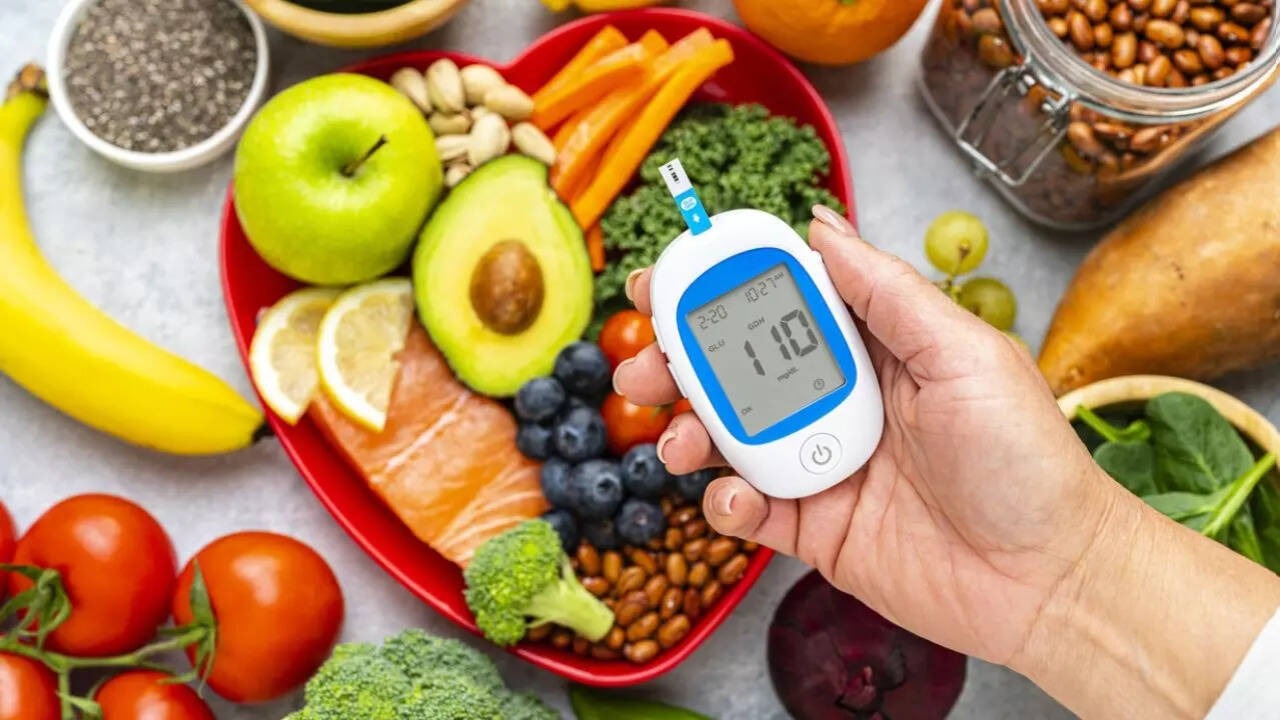
This is a non-negotiable step. The doctor highly recommends regular monitoring. Why? Because it helps with the early detection needed to head off complications.
4. Stay Hydrated
It sounds simple, but water supports metabolism and lowers the risk of unpredictable spikes. Seniors should aim to drink enough water all day long. Limit beverages high in sugar or caffeine.
5. Manage Sleep and Stress
These are the silent pillars of stability. Stress causes sugar fluctuations. And poor sleep? Same result.
-
Sleep Goal: Aim for 7–8 hours of consistent sleep.
-
Stress Tools: Practice meditation, deep breathing, or mindfulness techniques to actively reduce stress levels.
The bottom line: Combine these habits with your medication. That is how you regulate diabetes in seniors.
Also read:800% Hike? Unions Push Govt. for ₹9,000 Minimum EPS Pension
Add rightsofemployees.com as a Preferred Source