
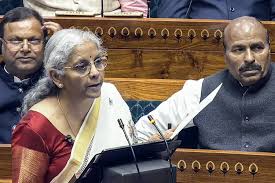
Finance Minister Nirmala Sitharaman just tabled the massive Sabka Bima Sabki Raksha Bill, 2025 in the Lok Sabha.
Add rightsofemployees.com as a Preferred Source


Also Read | DRDO Recruitment 2025: 764 Posts Open for STA-B and Tech-A; Apply Before Jan 1
It wasn’t just a routine reform; it signals a total structural overhaul, blowing the foreign direct investment (FDI) limit in insurance wide open from 74% to a full 100%.
Let’s be real. This is about next-generation financial liberalization, and the government is going for broke. The goal is simple: unleash a tidal wave of global capital into India’s insurance sector, which, right now, lags with only 70 local insurers against nearly 10,000 globally.
The Cabinet approved this last Friday, building on the ₹82,000 crore FDI already pumped in, and now they want more.
Also Read | DRDO Recruitment 2025: 764 Posts Open for STA-B and Tech-A; Apply Before Jan 1
The Breakdown: 100% Foreign Control
The thing is, this bill hits three foundational laws at once—the Insurance Act of 1938, the LIC Act of 1956, and the IRDA Act of 1999. It’s a total teardown and rebuild.
The core change is giving global giants full ownership. But they added some safeguards, or nothing.
-
Executive Mandate: Even at 100% FDI, at least one top boss—Chairperson, MD, or CEO—must be an Indian citizen. That’s the rule.
-
Corporate Flexibility: They are also greenlighting mergers between non-insurance and insurance entities, which will simplify corporate structures for massive foreign players.
Also Read | DRDO Recruitment 2025: 764 Posts Open for STA-B and Tech-A; Apply Before Jan 1
Narendra Ganpule from Grant Thornton Bharat called it what it is: a major step for economic liberalization. It removes those mandatory domestic partnership hurdles, meaning new global players can just walk right in.
The Kicker: Unleashing the Regulator
Beyond the FDI shocker, the bill is targeting competition and the regulator itself.
And here’s the kicker: they’re giving the Insurance Regulatory and Development Authority of India (IRDAI) serious muscle:
-
SEBI-Like Powers: The IRDAI now gets the power of disgorgement—meaning they can claw back illicit gains made by insurers or intermediaries. That is huge.
-
Lowering Reinsurer Entry: They slashed the minimum net owned funds for foreign reinsurers from ₹5,000 crore down to just ₹1,000 crore. This is supposed to attract more global players and reduce reliance on state-run GIC.
-
LIC Gets Freedom: Even LIC gets flexibility. India’s largest insurer can now set up new zonal offices without waiting for the government’s nod.
-
Policyholder Protection: A new Policyholders’ Education and Protection Fund is meant to shield consumers’ interests.
The eventual impact, as the experts note, will turn entirely on the specific rules IRDAI eventually puts out. It’s a delicate balance: bringing in capital and innovation while making sure the policyholders don’t get burned. The floodgates are open, but the guardrails are still being built. It’s an ongoing situation…….
Also Read | DRDO Recruitment 2025: 764 Posts Open for STA-B and Tech-A; Apply Before Jan 1
Add rightsofemployees.com as a Preferred Source