

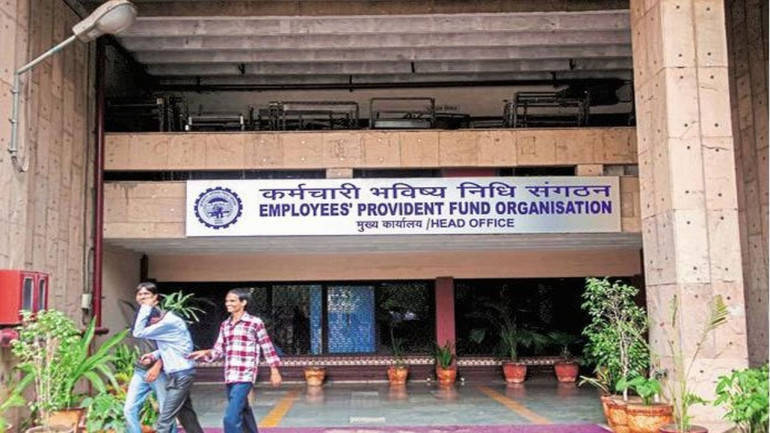
An overview of survivor benefits, child support allocations, and critical e-nomination mandates under the EPFO framework.
NEW DELHI — When a salaried professional plans out their long-term financial path, the Employees’ Provident Fund (EPF) is almost always viewed as a standard retirement nest egg. However, many individuals overlook the built-in survivor security hidden within the ecosystem: the Employees’ Pension Scheme (EPS).
Add rightsofemployees.com as a Preferred Source


Managed by the Employees’ Provident Fund Organisation (EPFO), this pension component is specifically designed to transform into an immediate financial safety net for surviving family members if a working subscriber passes away unexpectedly.
A common misconception among private-sector employees is that corporate benefits end completely when a member dies. While the accumulated provident fund (EPF) cash balance is paid out to beneficiaries as a one-time lump sum, the separate pension component (EPS) functions entirely differently. It transitions into a reliable, ongoing monthly stream of income to ensure vulnerable dependents are not left financially stranded.
Recent Posts
- EPFO Streamlines Provident Fund Withdrawal Policies, Raises Auto-Settlement Caps, and Details Tax Protocols
- Ministry of External Affairs Announces Sharp Increase in Indian Passport Application and Tatkal Service Fees
- Amarnath Yatra 2026 Comprehensive Pilgrimage Guide: Registration Timelines, Medical Mandates, and Route Logistics
- Silver prices plunge, price down by more than 4%; what is China’s connection?
- Indian Railway Refund rules: You can get your fare back even after travelling in the train… what are those conditions?
Low Contribution Thresholds and Spouse Lifelong Security
One of the most compassionate features of the EPS architecture is how quickly the coverage activates. Unlike standard corporate retirement pensions that require years of vesting, survivor benefits require an incredibly brief entry period. If a registered employee has made at least a single month’s statutory contribution to the pension fund before passing away, their eligible family members immediately qualify for monthly relief payments.
The distribution of this monthly structural relief follows a strict, legally mandated sequence of family priority:
-
The Surviving Spouse: The widow or widower holds primary entitlement. They receive a monthly survivor pension fixed at 50 percent of the member’s calculated baseline pension. To safeguard low-income households, the government guarantees a absolute minimum floor payout of ₹450 per month, which continues for life or until the spouse remarries.
-
Biological or Adopted Children: Alongside the surviving parent, up to two children can simultaneously receive a monthly supportive allowance. Each child is entitled to 25 percent of the spouse’s pension amount, continuing until they hit 25 years of age.
-
Orphan Provisions: If both parents pass away, the child support framework scales up. The monthly payout shifts into an enhanced orphan pension, raising the allocation to 75 percent of what the primary spouse’s pension value would have been.
Alternative Beneficiaries and the Vital Role of e-Nominations
Because family structures vary widely, the statutory guidelines account for households where there is no surviving spouse or child. If a member passes away without immediate dependents, the monthly pension does not simply vanish back into the central treasury. Instead, the monthly benefits shift to support dependent parents. If the parents are no longer alive, the payouts route directly to a specific nominee formally designated by the employee.
Priority Chain for EPS Pension Disbursements:
1. Surviving Spouse (Lifelong or until remarriage — 50% of base rate)
2. Eligible Children (Up to two children under the age of 25 — 25% of spouse rate)
3. Orphaned Dependents (If both parents are deceased — 75% of spouse rate)
4. Dependent Parents (In the absolute absence of a spouse or children)
5. Designated Nominee (Final fallback based on active portal records)
This priority chain highlights why financial planners continuously urge employees to complete and maintain their digital e-nominations on the unified Member Seva Portal. Major life adjustments—such as getting married, experiencing a divorce, or welcoming a new child—require instant updates to account profiles. Leaving outdated nominee files on record can trap family members in complex legal bottlenecks during an already stressful time of grief.
Support for Permanent and Total Disability
The protective umbrella of the EPS is not strictly triggered by retirement milestones or a member’s passing. The system also steps in to provide critical financial defense if an active employee suffers permanent and total disability while still in service.
If an EPF subscriber experiences a life-altering disability that permanently ends their working capacity, they become eligible for a lifelong monthly disablement pension.
Just like the survivor benefit rules, the standard 10-year service vesting requirement is completely waived for disability cases. The employee becomes eligible even if they have only a single month of contributions on record. The monthly payments begin immediately from the formal date of the certified disability. Payout amounts are calculated using the member’s current salary and service files as if they had successfully worked all the way to retirement age, backed by a mandatory minimum safety floor of ₹1,000 per month.
FAQ
Does a child with a chronic physical or mental disability lose the pension at age 25?
No. While standard child pensions automatically stop when a dependent turns 25, the EPFO maintains a compassionate exception for children with permanent disabilities. If a child suffers from a total disability that prevents independent livelihood, they are eligible to receive their monthly pension support for life, regardless of age.
Can a member nominate a close friend for the EPS pension if their parents are still alive?
No. Under statutory EPS guidelines, a member with an active, living family (which legally includes a spouse, children, and dependent parents) must restrict their pension nominations to within that immediate family circle. A non-family nomination only becomes legally valid if the subscriber has no living family dependents whatsoever.
If an employee changes corporate jobs, does the one-month pension countdown reset?
No. Your pension history is anchored to your unique Universal Account Number (UAN), not an individual business entity. As long as you correctly link your previous employment records and transfer your service files to your new employer, your cumulative contribution months remain intact and continue to build over time.
Is the lump-sum Provident Fund (EPF) payout taxed if it is given to a nominee after a member’s death?
No. When an active EPF member passes away, the entire accumulated balance within the Provident Fund account—including all accrued interest—is paid out entirely tax-free to the authorized nominee or legal heir, regardless of how many years the employee served.
Recent Posts
- EPFO Streamlines Provident Fund Withdrawal Policies, Raises Auto-Settlement Caps, and Details Tax Protocols
- Ministry of External Affairs Announces Sharp Increase in Indian Passport Application and Tatkal Service Fees
- Amarnath Yatra 2026 Comprehensive Pilgrimage Guide: Registration Timelines, Medical Mandates, and Route Logistics
- Silver prices plunge, price down by more than 4%; what is China’s connection?
- Indian Railway Refund rules: You can get your fare back even after travelling in the train… what are those conditions?
Add rightsofemployees.com as a Preferred Source