
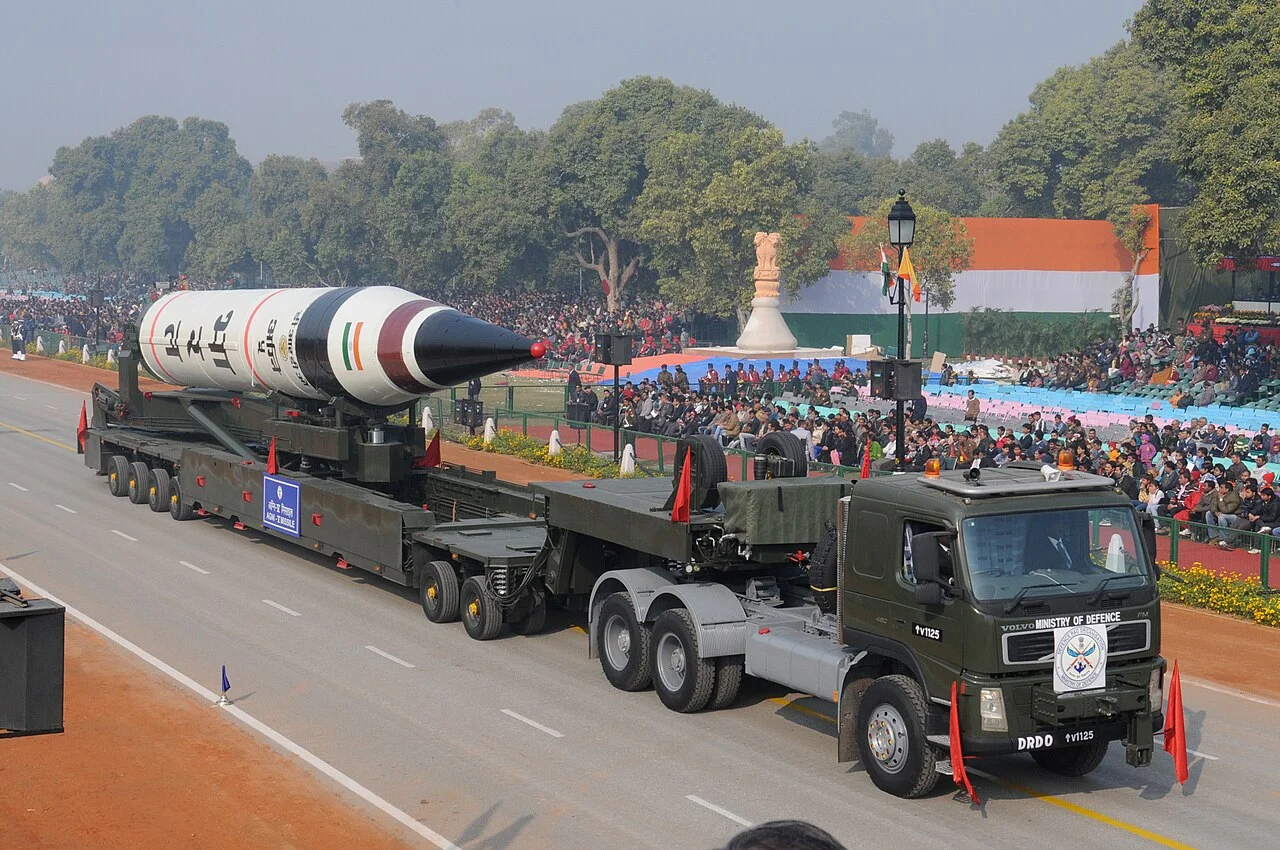
Strategic Posture Shift: India Deploys Nuclear Warheads for the First Time
In a major departure from decades of established defense doctrine, India has classified a portion of its atomic arsenal as operationally deployed during peacetime for the first time. Data compiled on global arms control and international security reveals that India operationally deployed 12 nuclear warheads, signaling a fundamental shift toward heightened readiness and a more integrated, immediate strategic deterrent.
Add rightsofemployees.com as a Preferred Source




Understanding the Shift: Stockpiled vs. Deployed
For decades, international defense analysts have operated under the assumption that India strictly separated its nuclear warheads from their actual delivery platforms during peacetime to minimize accidental launch risks and maintain a restrained posture.
The distinction in global nuclear accounting highlights the weight of this transition:
-
Stockpiled (Stored) Warheads: Nuclear warheads kept in central reserve repositories. They are secure and maintained by the armed forces but are not mounted on missiles or aircraft, requiring several technical assembly steps before operational use.
-
Deployed Warheads: Nuclear warheads that are actively mated with their launch platforms or placed at bases with operational forces, kept ready for immediate or near-immediate retaliatory execution.
The Numbers: Global and Regional Nuclear Inventory
According to global monitoring data, the total worldwide inventory stands at 12,187 warheads, with approximately 4,012 currently deployed across missiles and aircraft worldwide.
While the majority of high-alert operational warheads remain heavily concentrated in the United States and Russia, the regional landscape in Asia is rapidly evolving toward immediate-readiness postures:
| Country | Deployed Warheads | Stored/Stockpiled | Total Active Arsenal | Posture Trend |
| India | 12 | 178 | 190 | First-time peacetime deployment; arsenal grew by 10 warheads over the last year. |
| China | 34 | 586 | 620 | Escalated from 24 deployed warheads; fastest-growing nuclear inventory. |
| Pakistan | 0 | 170 | 170 | Steady arsenal size; continues to amass fissile material but maintains un-mated storage. |
Driving Factors: Canisterization and the Sea-Based Triad
Defense analysts link this shift in India’s operational readiness directly to the maturation of its nuclear triad—specifically its sea-based and canister-launched capabilities.
Rather than a broad transformation across land and air assets, the deployment of the 12 warheads is believed to be concentrated within the Indian Navy’s expanding SSBN (Nuclear-Powered Ballistic Missile Submarine) fleet. With platforms conducting regular deterrence patrols, keeping ready-to-fire, canisterized missiles mated to warheads underwater is essential for securing a viable, survivable Second-Strike capability—a cornerstone of India’s No First Use policy.
The Two-Front Deterrence Challenge
The tracking data emphasizes that while India’s defense architecture continues to monitor its long-standing rivalry with Pakistan—particularly following a brief, intense military flashpoint—New Delhi’s long-term nuclear modernization efforts are increasingly oriented toward establishing long-range deterrence capabilities capable of reaching strategic targets across China.

Recent Posts
- LPG Price Today: India alone has the lowest gas cylinder price in the world, quickly check today’s rate
- Gold-Silver Rate: Gold becomes cheaper by Rs 1000, silver also falls in price; check the latest rates of both
- India increased its strength, from 180 to 190 nuclear weapons, find out how much money was spent.
- Disrupted Monsoons to Trigger Heat and Drought Cycle Across India
- 8 Killed, 6 Injured in Molten Iron Spill at Vizag Steel Plant
Add rightsofemployees.com as a Preferred Source