
The amendment to the Payment and Settlement Systems Act empowers the Centre to allow banks and payment service providers to levy charges on UPI and other notified digital payment modes in the future.
The Lok Sabha has passed the Taxation and Other Laws (Amendment) Bill, 2026, paving the way for the government to permit banks and payment service providers to levy charges on Unified Payments Interface (UPI) transactions and other notified electronic payment systems.
Add rightsofemployees.com as a Preferred Source


The legislation amends the Payment and Settlement Systems Act, 2007, removing the legal restriction that currently prevents banks and payment service providers from charging Merchant Discount Rate (MDR) on notified digital payment modes.
What Does the New Bill Change?
The amendment authorises the Central Government to decide whether charges can be imposed on specific electronic payment modes through future notifications.
Importantly, the Bill does not immediately introduce any UPI charges. Instead, it creates the legal framework that allows the government to permit such charges at a later stage.
Recent Posts
- UPI Transaction Charges Coming Soon? RBI Governor Says ‘Costs Have to Be Paid by Someone’
- Parliament Monsoon Session 2026: Lok Sabha Passes Bill to Increase Supreme Court Judges’ Strength
- Amazon Great Freedom Sale 2026: Early Fashion Deals Live on Levi’s, U.S. Polo Assn. & Arrow
- Kerala Floods: Death Toll Rises to 15, Seven Missing; Over 11,000 Moved to Relief Camps
- Apple Could Launch AirPods With Built-In Cameras Alongside iPhone 18 Pro Next Month: Report
Why Is the Government Making This Change?
According to the government’s approach, the objective is to create a sustainable revenue model for:
- Banks
- Payment Service Providers (PSPs)
- Digital payment infrastructure companies
The proposal seeks to ensure that the ecosystem supporting India’s rapidly growing digital payments network remains financially viable while keeping costs reasonable for consumers and small businesses.
Merchant Discount Rate (MDR) Explained
Merchant Discount Rate (MDR) is the fee paid by merchants to banks and payment service providers for processing digital transactions.
While payment systems such as:
- RTGS
- NEFT
already involve service charges, UPI transactions have remained exempt from MDR since 2020.
The amendment removes the statutory barrier that prevented the government from allowing MDR or similar charges on notified electronic payment systems.
Bill Passed by Voice Vote
The Bill was passed through a voice vote in the Lok Sabha after the House resumed proceedings at 2 PM following an earlier adjournment.
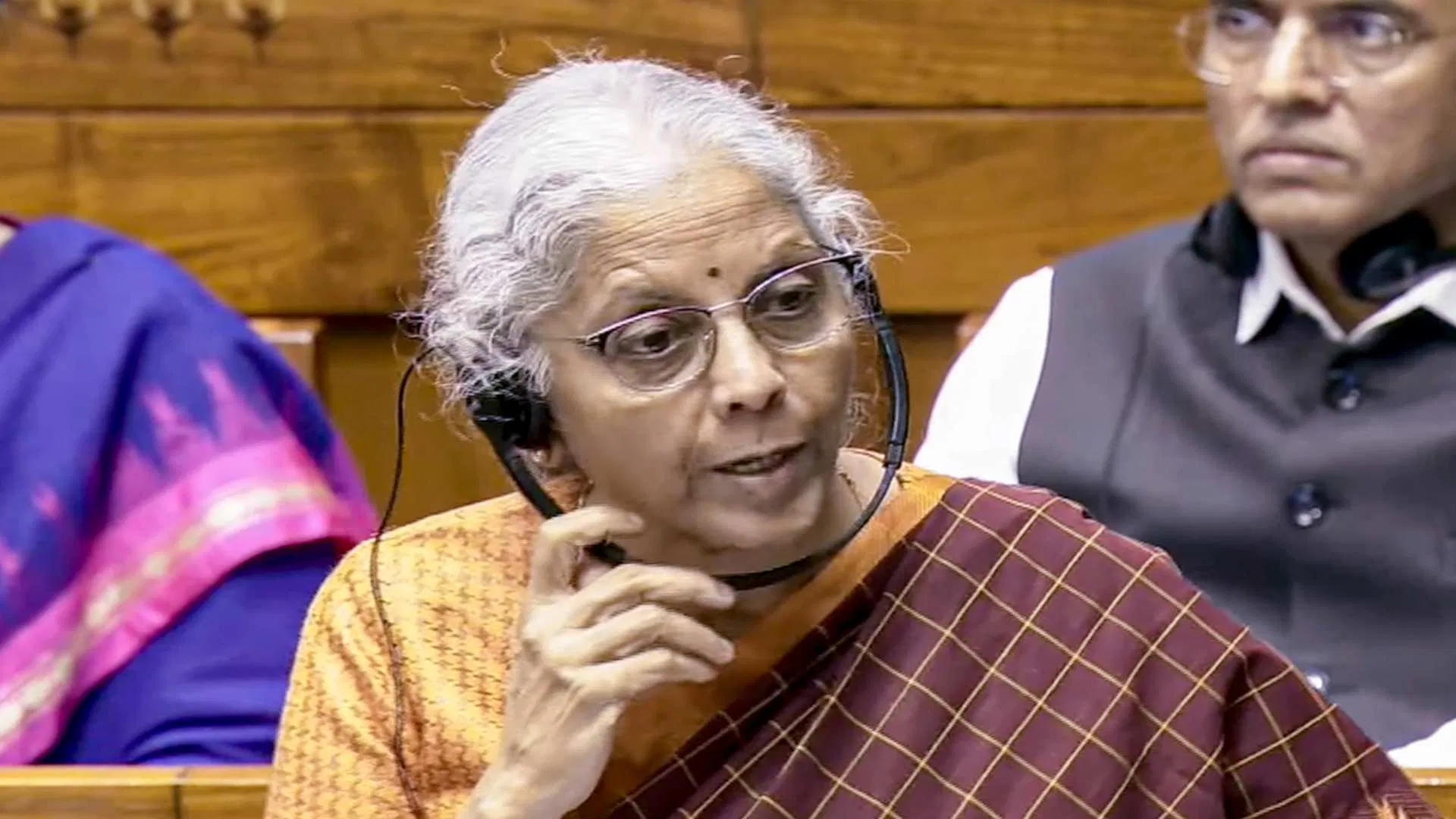
Finance Minister Nirmala Sitharaman moved the Taxation and Other Laws (Amendment) Bill, 2026, which proposes amendments to:
- Payment and Settlement Systems Act, 2007
- Income Tax Act, 2025
- Finance Act, 2026
What Happens Next?
Although the Bill has been passed by the Lok Sabha, UPI transactions will continue under the existing framework until the government issues a notification specifying:
- Which electronic payment modes may attract charges.
- Whether charges will apply only to merchants or other categories.
- The rate and scope of any future fees.
Until such notifications are issued, there is no immediate change in how UPI payments are processed.
Key Highlights
- Lok Sabha has passed the Taxation and Other Laws (Amendment) Bill, 2026.
- The Bill amends the Payment and Settlement Systems Act, 2007.
- The amendment authorises the government to permit charges on UPI and other notified electronic payment modes.
- The legal restriction preventing Merchant Discount Rate (MDR) on notified payment systems has been removed.
- The Bill does not immediately impose UPI charges.
- Future charges, if any, will depend on government notifications.
- The proposal aims to support banks, payment service providers and digital payment infrastructure companies with a sustainable revenue model.
FAQs
Has the Lok Sabha approved UPI transaction charges?
The Lok Sabha has passed a Bill that authorises the government to permit charges on UPI and other notified electronic payment modes. It does not immediately impose any charges.
Will users start paying for UPI transactions now?
No. The Bill only provides the legal framework. Any charges will require a separate government notification.
What is Merchant Discount Rate (MDR)?
Merchant Discount Rate (MDR) is a fee paid by merchants to banks and payment service providers for processing digital payments.
Why was the law amended?
The government says the amendment aims to create a sustainable financial model for banks, payment service providers and digital payment infrastructure while supporting continued growth of digital payments.
Which law has been amended?
The amendment modifies the Payment and Settlement Systems Act, 2007 as part of the Taxation and Other Laws (Amendment) Bill, 2026.
Recent Posts
- UPI Transaction Charges Coming Soon? RBI Governor Says ‘Costs Have to Be Paid by Someone’
- Parliament Monsoon Session 2026: Lok Sabha Passes Bill to Increase Supreme Court Judges’ Strength
- Amazon Great Freedom Sale 2026: Early Fashion Deals Live on Levi’s, U.S. Polo Assn. & Arrow
- Kerala Floods: Death Toll Rises to 15, Seven Missing; Over 11,000 Moved to Relief Camps
- Apple Could Launch AirPods With Built-In Cameras Alongside iPhone 18 Pro Next Month: Report
Add rightsofemployees.com as a Preferred Source