
India Cuts Excise Duties on Petrol and Diesel as Global Oil Prices Surge
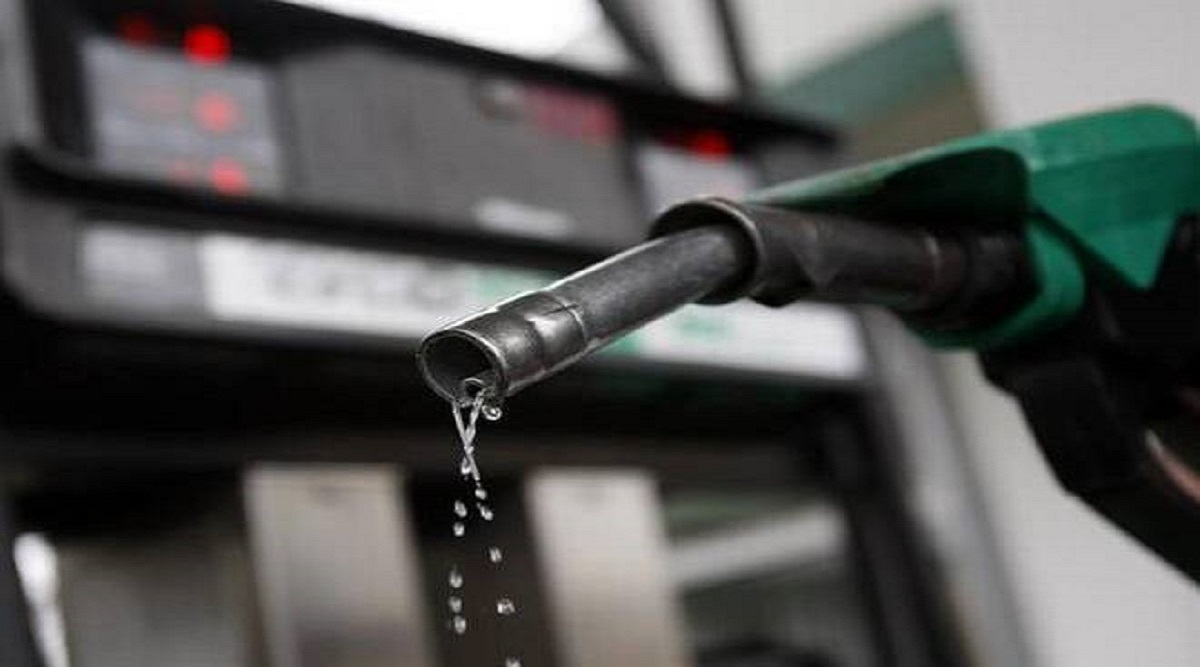
Now the Indian government has taken a bold step to protect citizens today. Specifically, the Finance Ministry slashed excise duties on petrol and diesel on March 27, 2026. Therefore, the tax on petrol is now just ₹3 per litre. In fact, the duty on diesel has been dropped all the way to zero. This move aims to stop a massive jump in local fuel prices. Simple as that.
Add rightsofemployees.com as a Preferred Source


━━━━━━━━━━━━━━━━━━━━━━━━━━━━━━━━━━━━
At a Glance: The March 2026 Tax Cut
-
Petrol Duty: Reduced from ₹13 to ₹3 per litre.
-
Diesel Duty: Reduced from ₹10 to ₹0 (Zero).
-
Export Tax: New ₹21.5 levy on diesel and ₹29.5 on jet fuel.
-
Goal: To offset ₹2,400 crore in daily losses for oil firms.
━━━━━━━━━━━━━━━━━━━━━━━━━━━━━━━━━━━
Why the Government Slashed Duties
Now the reason for this sudden tax cut is the ongoing war in West Asia. Specifically, the conflict has pushed global crude oil prices above $100 per barrel.
The Economic Hit
First, the Strait of Hormuz is currently facing a near-closure. Next, this route handles 40% of India’s oil imports. Thus, the cost of buying oil from abroad has spiked by nearly 50%. Furthermore, state-run oil firms were losing up to ₹30 on every litre of diesel sold. Therefore, the government chose to lose tax revenue instead of letting pump prices soar. Period.
Will Your Petrol Bill Go Down?
Now many drivers are asking if they will see lower prices at the pump tomorrow. Actually, the answer is likely “no” for most people.
Stabilizing the Market
First, this tax cut is meant to cover the losses already being hit by oil firms. Next, companies like IOCL and BPCL have been holding prices steady for weeks. Thus, the ₹10 tax relief simply helps them break even. However, it prevents a massive hike that would have happened otherwise. Consequently, while prices won’t drop, they also shouldn’t go up in the coming days.
Windfall Tax on Fuel Exports
Now the government is also making sure that India has enough fuel for its own people. In fact, they have added a new tax on companies that sell fuel to other countries.
Domestic First Policy
First, a new export tax of ₹21.5 per litre now applies to diesel. Next, aviation turbine fuel (ATF) exports will face a ₹29.5 tax. Thus, large private refiners are being pushed to sell more fuel inside India. Moving forward, this helps prevent local shortages during the energy crisis. Overall, the focus is on national energy security during these volatile times.
The Trillion-Rupee Fiscal Cost
Now this pro-people decision comes with a very high price tag for the country’s budget. Actually, the government is giving up a huge amount of tax money.
The Revenue Gap
First, experts estimate the total fiscal hit will be nearly ₹1.55 trillion per year. Next, this massive loss of income could impact other government spending plans. Thus, the 10-year government bond yields have already hit a 20-month high. Furthermore, the move comes just before elections in several states. Therefore, the timing shows how sensitive the government is to the cost of living.
Frequently Asked Questions
Q: Why is diesel tax now zero?
Now, diesel is vital for trucks and farming. Thus, cutting the tax to zero helps keep food and transport costs from rising.
Q: Did private pumps like Nayara also cut prices?
Actually, private firms like Nayara already raised prices by ₹5 recently. Therefore, they may have more room to adjust compared to state-run pumps.
Q: Is there a fuel shortage in India?
Since the government says refineries are at full capacity, there is no real shortage. Thus, citizens are urged not to engage in panic buying.
Q: Will this help lower inflation?
Actually, it prevents inflation from getting worse. Therefore, it acts as a buffer against the rising cost of imported goods.
The Bottom Line
Now the India excise duty cut is a shield against the global energy storm of 2026. While the government loses trillions in revenue, it gains stability for the common man.
Overall, the move shows that India is willing to prioritize its citizens over its tax collections. Therefore, you can expect fuel prices to remain stable despite the war in the Middle East. Thus, the pressure on your wallet is eased for the moment. Meanwhile, the Finance Ministry will continue to monitor the global oil market every day.
Taxes cut. Prices held. Period.
Add rightsofemployees.com as a Preferred Source